Vlastný vývoj alebo No-Code pre SaaS: ktorá cesta naozaj sedí vašej myšlienke?
No-code dokáže dostať váš SaaS pred platiacich zákazníkov za pár týždňov. Vlastný kód ho môže niesť desaťročie. Trik nie je vybrať si stranu — je to vedieť, čo vaša myšlienka potrebuje práve teraz a kedy prepnúť.
 Have a nice day12 min čítania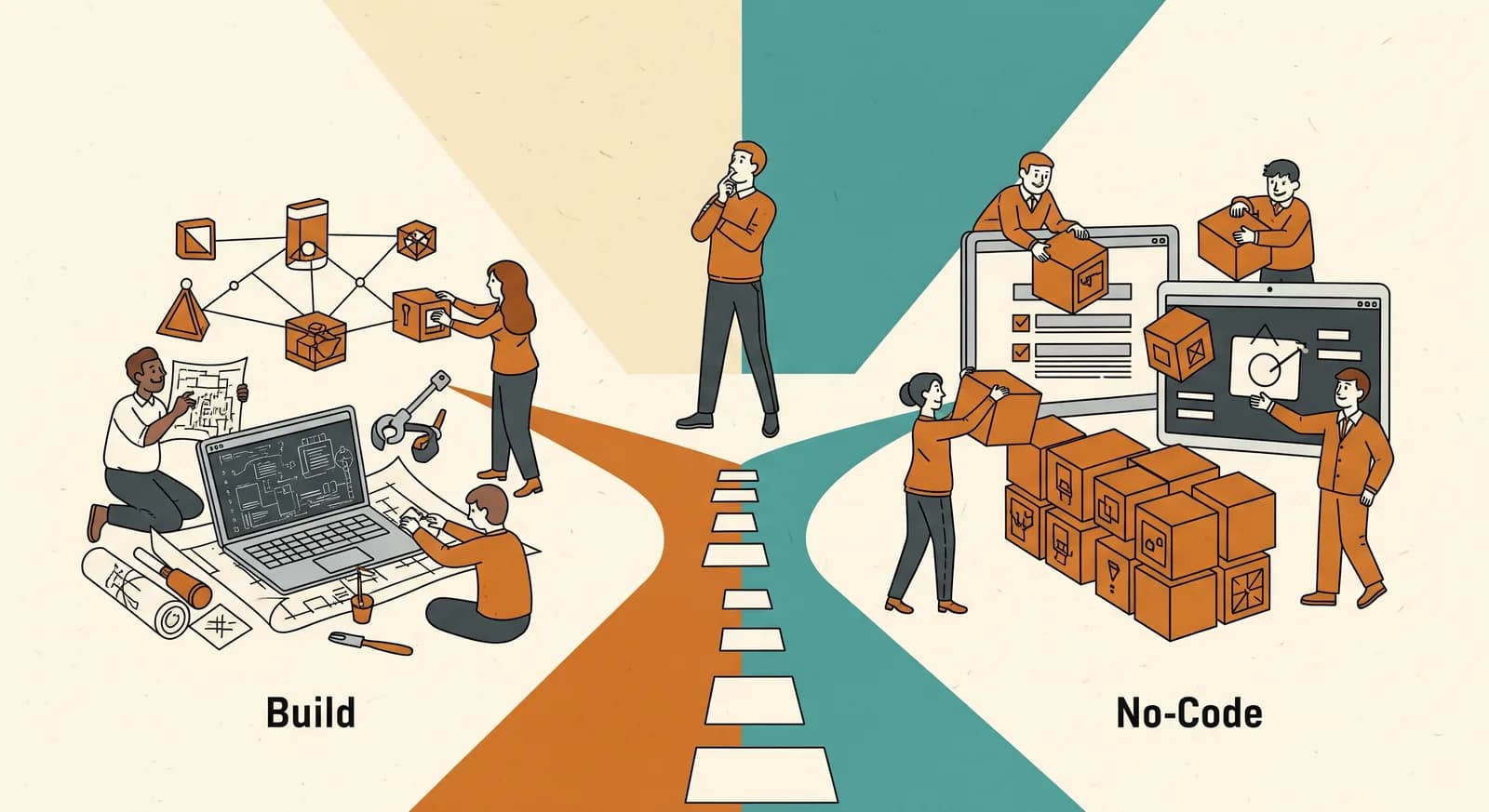
Každých pár týždňov si oproti mne sadne niekto so SaaS myšlienkou a tou istou úzkostlivou otázkou: mám to postaviť no-code nástrojom, aby som sa pohol rýchlo, alebo zaplatiť vývojárom, aby to urobili poriadne? Takmer vždy sa to podáva ako morálna voľba — cesta vynaliezavého zakladateľa verzus cesta serióznej firmy. Nie je. Je to rozhodnutie o načasovaní a trafiť správne načasovanie má oveľa väčšiu hodnotu než vybrať si tú „správnu“ stranu.
Videl som zakladateľov, ako premárnili rok ručným kódovaním myšlienky, ktorú nikto nechcel, a videl som iných naraziť do steny pri tristo zákazníkoch, pretože no-code platforma, na ktorú vsadili, nedokázala urobiť tú jednu vec, od ktorej ich biznis naozaj závisel. Obe chyby sú drahé. Obom sa dalo vyhnúť. Rozdiel medzi nimi nebol v talente ani rozpočte — bol v pochopení toho, v čom je každá cesta naozaj dobrá, a v úprimnosti o tom, v akej fáze ich produkt skutočne bol.
Toto je teda verzia toho rozhovoru, ktorý by som s vami viedol, keby ste mi dnes priniesli svoju myšlienku. Žiadny kmeňový postoj, žiadny snobizmus typu „no-code je hračka“, žiadne nezmysly typu „skutoční zakladatelia píšu kód“. Len jasný spôsob, ako sa rozhodnúť, ktorá cesta sedí vašej myšlienke, práve teraz — a ako spoznať, kedy je čas zmeniť pruh.
Pravdepodobne kladiete nesprávnu otázku
Inštinkt je pýtať sa „čo je lepšie, no-code alebo vlastný kód?“ — a táto otázka nemá odpoveď, pretože ide o nástroje pre rôzne úlohy v rôznych okamihoch. Je to ako pýtať sa, či je lepšia prenajatá dodávka alebo kúpený kamión. Úplne to závisí od toho, či sa sťahujete raz, alebo prevádzkujete prepravnú firmu.
Otázka, ktorá naozaj má odpoveď, znie: čo sa snažíte zistiť alebo dokázať v najbližších troch mesiacoch a aký je najlacnejší spôsob, ako to urobiť? Pri väčšine raných SaaS myšlienok je to, čo potrebujete dokázať, že ľudia za tú vec vôbec zaplatia. Takmer nikdy na to nepotrebujete krásnu architektúru. Potrebujete niečo dostatočne reálne, aby ste to postavili pred cudzích ľudí a sledovali, čo robia.
“Najdrahší kód, aký kedy napíšete, je kód pre produkt, ktorý nikto nechcel. Skutočná superschopnosť no-code je v tom, že vám to dá zistiť lacno.”
Keď to takto preformulujete, rozhodnutie sa stane oveľa pokojnejším. Nevyberáte si trvalé technologické náboženstvo svojej firmy. Vyberáte si správne vozidlo na konkrétnu vzdialenosť, ktorú potrebujete prejsť tento štvrťrok. Niekedy je to no-code prototyp, ktorý radi zahodíte. Niekedy je to skutočná kódová základňa od prvého dňa. Najčastejšie je to postupnosť — a tá postupnosť je dôležitejšia než východiskový bod.
V čom je no-code naozaj dobrý
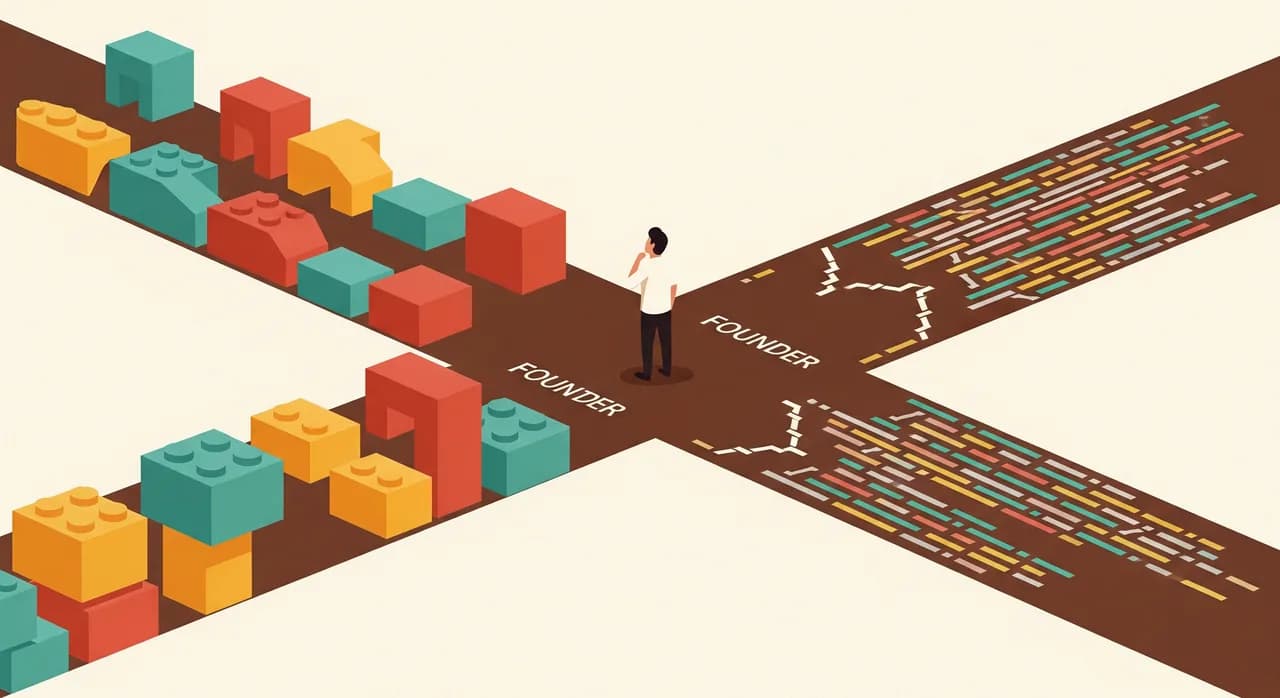
Buďme konkrétni, pretože „no-code“ sa stalo sloganom a slogany skrývajú užitočný detail. Keď hovorím no-code, mám na mysli nástroje, ktoré vám umožnia poskladať funkčnú aplikáciu — formuláre, dáta, logiku, platby, použiteľné rozhranie — konfigurovaním namiesto programovania. Moderné sú oveľa schopnejšie, než naznačuje ich povesť. Ľudia na nich prevádzkujú skutočné, ziskové biznisy.
Kde žiaria, je rýchlosť k skutočnému, použiteľnému produktu. Tok, ktorý by vývojárovi zabral štyri týždne, vám môže zabrať štyri dni. V utorok si môžete rozmyslieť názor a v stredu mať novú verziu naživo. Pri myšlienke, ktorá ešte hľadá svoj tvar, je táto rýchlosť iterácie tou najcennejšou vecou, akú môžete mať — oveľa cennejšou než čistý kód, pretože to, čo optimalizujete, je učenie, nie inžinierstvo.
- Overiť, či vôbec niekto zaplatí, skôr než minetie skutočné peniaze na stavbu.
- Interné nástroje — prehľady, vstupné formuláre, jednoduché pracovné toky — kde na vyladenosti záleží menej než na tom, že „funguje dnes“.
- Prvá verzia priamočiareho SaaS: registrácia, urob jasnú prácu, naúčtuj za ňu.
- Klientske portály a toky v štýle rezervácií postavené na vzoroch, ktorým platforma už rozumie.
- Čokoľvek, čo by ste možno o šesť mesiacov naozaj zahodili a do čoho by ste nemali liať peniaze.
Je tu aj tichý finančný bod. No-code MVP často stojí zlomok ceny vlastného a je naživo za zlomok času. Ak myšlienka nezaberie, prišli ste o týždne a malý účet za predplatné, nie o rok a šesťciferný rozpočet. Lacnosť je tá stratégia. Umožní vám mýliť sa dostupne, čo je najpodceňovanejšia zručnosť pri budovaní čohokoľvek.
Kde no-code potichu narazí do steny
Teraz tá úprimná druhá polovica. No-code platformy sú pozoruhodné, kým nie sú, a miesto, kde sa zastavia, je zvyčajne neviditeľné presne až do chvíle, keď doň vrazíte. Spôsob zlyhania nie je „nedokáže nič“ — je to, že deväťdesiat percent urobí nádherne a potom odmietne urobiť tých konkrétnych desať percent, od ktorých sa nakoniec ukáže, že váš biznis závisí.
Steny sa zvyknú objavovať na predvídateľných miestach. Výkon pri škálovaní — v pohode pri sto používateľoch, pomalé pri desaťtisícoch. Nezvyčajná logika — v okamihu, keď je vaša kľúčová funkcia niečo naozaj nové namiesto známeho vzoru, bojujete s nástrojom namiesto toho, aby ste ho používali. Hlboké integrácie — napojenie na zvláštne API partnera alebo presúvanie skutočných objemov dát je miesto, kde mnohým platformám dôjde cesta. A nákladové krivky, ktoré sa obrátia: lacné pri malom rozsahu, potom prekvapivo drahé, len čo uspejete, pretože platíte za záznam alebo za úkon podľa cudzích podmienok.
Nič z toho nie je dôvod vyhýbať sa no-code. Je to dôvod vstúpiť doň s otvorenými očami o tom, čo naozaj kupujete: obrovskú ranú rýchlosť výmenou za strop, do ktorého môžete časom naraziť. Pri obrovskom počte produktov sa k tomu stropu nikdy ani nepriblížite — a predstierať, že áno, predimenzovaním už v prvý deň, je vlastná drahá chyba.
Čo vám vlastný vývoj naozaj kúpi
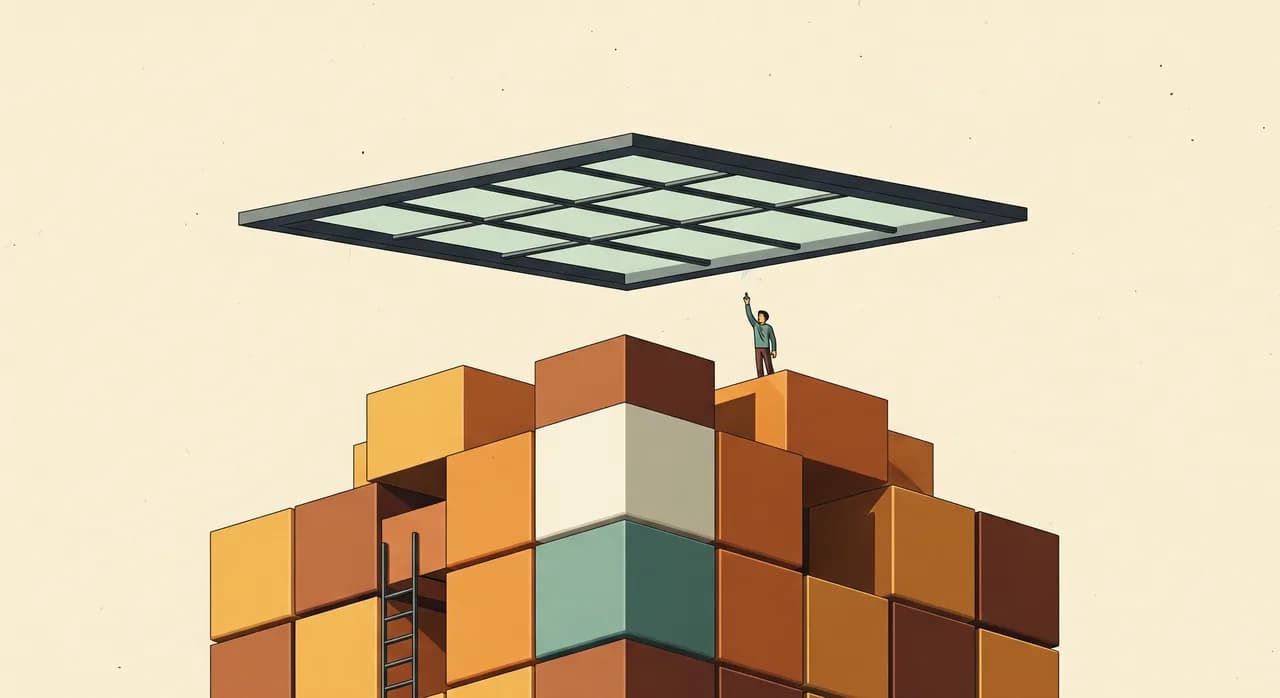
Vlastný kód má opačný tvar. Je pomalší a drahší na rozbeh a žiada od vás viac vopred — jasnejšie požiadavky, skutočné rozhodnutia, peniaze pred dôkazom. Na oplátku vám dá niečo, čo no-code štrukturálne nedokáže: žiadny strop a plné vlastníctvo. Čokoľvek sa váš produkt potrebuje stať, kód sa tým môže stať. Obmedzením je váš rozpočet a predstavivosť, nie cestovná mapa platformy.
Ďalšia vec, ktorú kupujete, je kontrola nad vecami, ktoré sa s rastom stávajú vážnymi: ako sú vaše dáta uložené a zabezpečené, ako sa systém správa pod záťažou, ako sa integruje so všetkým ostatným, ako vyhovuje pravidlám, ktoré vám odovzdá vaše odvetvie. To sú presne tie starosti, ktoré pri desiatich zákazníkoch pôsobia abstraktne a pri desaťtisícoch sa stávajú existenčnými. Stavať vlastné znamená, že sú vaše na navrhnutie, nie vaše na objavovanie ich hraníc.
Ale — a na tom záleží — vlastné sa oplatí len vtedy, keď máte niečo, do čoho stojí za to to liať. Písať starostlivú, škálovateľnú kódovú základňu pre myšlienku, ktorú ste neoverili, je klasická zakladateľská tragédia: krásny stroj, dokonale skonštruovaný, ktorý nikto nepýtal. Vlastný vývoj odmeňuje presvedčenie. Ak ešte nemáte dôkaz, že ľudia tú vec chcú, kupujete presnosť, ktorú ste si nezaslúžili.
| Rozmer | No-code | Vlastný kód |
|---|---|---|
| Čas k prvej verzii | Dni až týždne | Týždne až mesiace |
| Počiatočné náklady | Nízke | Vyššie |
| Rýchlosť iterácie na začiatku | Veľmi rýchla | Stredná |
| Strop možného | Reálny, niekedy tvrdý | V podstate žiadny |
| Vlastníctvo dát a logiky | Obmedzené | Plné |
| Náklady pri veľkom rozsahu | Môžu prudko stúpať | Predvídateľnejšie |
| Najlepšie pre | Dokazovanie dopytu, MVP | Škálovanie overených produktov |
Rámec na rozhodnutie práve teraz
Takto by som vás tým naozaj previedol. Žiadny vývojový diagram, ktorý predstiera, že život je úhľadný — hŕstka úprimných otázok, v poradí, ktoré zvyknú vec vyriešiť rýchlejšie než akékoľvek porovnanie funkcií.
- 1Dokázali už ľudia, že to chcú?Ak máte platiacich zákazníkov alebo poradovník, môžete ospravedlniť vlastné. Ak je to ešte hypotéza, prikloňte sa k no-code a dokážte to najprv lacno.
- 2Je vaša kľúčová funkcia bežná alebo naozaj nová?Ak je srdcom vášho produktu bežný vzor (formuláre, rezervácie, prehľady, jednoduchá fakturácia), no-code poletí. Ak je to niečo, čo nikto neurobil presne takto, kód vám dá priestor, ktorý platforma nedá.
- 3Aké veľké to musí byť, aby to fungovalo?Nástroj pre nišu 500 firiem môže šťastne žiť na no-code naveky. Produkt mieriaci na státisíce používateľov by mal plánovať kód skôr.
- 4Čo sa stane, ak budete musieť neskôr stavať odznova?Ak by budúca prestavba bola zvládnuteľný, plánovaný krok, no-code je nízkorizikový začiatok. Ak by prestavba bola zničujúca, postavte to správne hneď naprvý raz.
- 5Buďte úprimní o tom, čo optimalizujeteOptimalizujete pre učenie? No-code. Optimalizujete pre dlhovekosť a rozsah overeného produktu? Vlastné. Väčšina zakladateľov je v prvom tábore a predstiera, že je v druhom.
Ak preženiete myšlienku cez týchto päť otázok a odpovede ukazujú rôznymi smermi, nie je to problém — je to informácia. Zvyčajne to znamená, že ste v prechodnom bode, a správnym ťahom je ten hybridný, o ktorý väčšina ľudí nikdy nenapadne požiadať: začnite no-code, držte švíky čisté a naplánujte si migráciu tých častí, na ktorých záleží, keď prídu dôkazy.
Cesta, ktorou väčšina úspešných zakladateľov naozaj ide
Tu je to, čo rámec „vlastné verzus no-code“ skrýva: pri mnohých z najlepších výsledkov, aké som videl, bola odpoveď oboje, v poradí. No-code, aby ste zistili, či má myšlienka nohy, potom vlastné, aby ste tú vec postavili naozaj, keď ich má. Chybou nie je vybrať si jedno — je to vybrať si jedno a potom to odmietnuť pustiť, keď sa situácia zmení.
Prvá fáza: dokážte to lacno
Použite no-code, alebo aj zámerne hrubú prvú stavbu, aby ste rýchlo dostali niečo skutočné pred platiacich používateľov. Vaším jediným cieľom je tu dôkaz. Registrujú sa ľudia? Vracajú sa? Zaplatia? Kupujete odpovede a chcete, aby boli čo najlacnejšie, pretože väčšina myšlienok potrebuje niekoľko kôl omylov, kým sú správne.
Druhá fáza: postavte overenú vec poriadne
Len čo máte skutočnú trakciu — zákazníkov, ktorých by nahnevalo, keby ste zmizli — kalkulácia sa obráti. Teraz strop, uzamknutie a náklady na škálovanie no-code začínajú byť dôležité a náklad vlastného vývoja je ospravedlnený produktom, o ktorom viete, že ho ľudia chcú. Toto je správny čas investovať do niečoho postaveného na dlhú trať, pretože teraz nehazardujete. Chránite niečo, čo už funguje.
Chyby, ktoré stoja najviac
Po dostatočnom počte takýchto rozhovorov sa vzorce zlyhania stanú známymi. Dva z nich spôsobujú väčšinu škôd a sú zrkadlovými obrazmi jeden druhého.
Prvým je prílišné budovanie priskoro: najímanie vývojárov a objednanie škálovateľnej platformy odolnej voči budúcnosti pre myšlienku, ktorá nikdy nestretla platiaceho zákazníka. Pôsobí to zodpovedne. V skutočnosti je to najdrahší možný spôsob, ako zistiť, že vaša myšlienka sa potrebovala zmeniť — pretože teraz každý obrat znamená prepisovanie kódu, ktorý ste draho zaplatili. Druhým je prílišné lipnutie na no-code: naraziť do steny pri skutočnom rozsahu, so skutočnými zákazníkmi, ktorí na vás závisia, a až vtedy začať prestavbu, ktorú ste mali začať o mesiace skôr — pod tlakom, kým platforma stoná.
Oboje pramení z toho, že voľbu beriete ako trvalú. Zakladatelia, ktorým sa darí, ju berú ako fázu. Vyberú si najlacnejší nástroj, ktorý odpovedá na otázku tohto štvrťroka, a sú emočne ochotní ho prerásť. Tá ochota — začať vynaliezavo a zároveň vážne investovať, keď príde čas — má väčšiu hodnotu než akékoľvek rozhodnutie o platforme, ktoré urobíte.
Nie ste si istí, ktorú cestu vaša myšlienka potrebuje?
To prvé rozhodnutie je najlacnejšie urobiť správne — a najdrahšie pokaziť. Pozrieme sa na vašu myšlienku úprimne a povieme vám, či začať vynaliezavo alebo ju postaviť poriadne, bez tlaku, aby ste čokoľvek z toho robili s nami.
Pozrite, ako staviame SaaS produktyČasté otázky
Dá sa naozaj prevádzkovať skutočný SaaS biznis na no-code?
Nie je plytvaním stavať na no-code a potom prestavovať v kóde?
Ako spoznám, kedy je čas prejsť z no-code na vlastné?
Vôbec neviem programovať — znamená to, že no-code je moja jediná možnosť?
Aký je najlacnejší spôsob, ako otestovať SaaS myšlienku pred tým, než sa zaviažem k niektorému?

Have a nice day je softvérové štúdio, ktoré pomáha malým a stredným firmám s digitalizáciou — automatizácia, umelá inteligencia a softvér na mieru, ktorý funguje v každodennej prevádzke, nielen na slajdoch.