רשימת המוכנות ל-AI: האם החברה שלכם באמת מוכנה?
כולם שואלים איך להשתמש בבינה מלאכותית. כמעט אף אחד לא שואל את השאלה שקודמת לזה: האם העסק בכלל מוכן לה? זו הרשימה הכנה שאנחנו עוברים עליה לפני שהיינו ממליצים לבנות משהו.
 Have a nice day12 דק' קריאה
יש שאלה שמפנים אליי לפחות פעם בשבוע עכשיו, בדרך כלל מנוסחת בצחקוק עצבני קלות: "אז... אנחנו אמורים לעשות משהו עם בינה מלאכותית?" זו השאלה הלא נכונה, אבל היא כנה. השאלה הנכונה — זו שכמעט אף אחד לא שואל קודם — שקטה הרבה יותר ושימושית הרבה יותר: האם החברה הזו באמת מוכנה להפיק ערך מ-AI, או שפשוט נשרוף כסף כדי להיראות מודרניים?
כבר שנים שאני יושב מול בעלים ומנהלים של חברות בינוניות — יצרנים, סיטונאים, משרדים מקצועיים, עסקי שירות אזוריים עם חמישים עד שלוש מאות עובדים. אלה שמצליחים עם AI כמעט אף פעם לא מתחילים מהטכנולוגיה. הם מתחילים בלהיות כנים לגבי מצב הבית שלהם: הנתונים שלהם, התהליכים שלהם, האנשים שלהם, ואיך החלטות באמת מתקבלות כשאף אחד לא מסתכל. הטכנולוגיה היא החלק הקל. המוכנות היא החלק שמכריע אם תקבלו תוצאה או חרטה.
אז זו הרשימה שאני עובר עליה, פחות או יותר, לפני שהייתי ממליץ לחברה להוציא אפילו אירו אחד על בניית משהו. זה לא מודל בגרות עם שנים-עשר ממדים ותרשים מכ"ם צבעוני. זו אוסף של שאלות פשוטות שאפשר לענות עליהן תוך כדי קפה, מקובצות לחמישה דברים שבאמת חוזים אם AI יעבוד עבורכם — או יביך אתכם בשקט בישיבת הנהלה בעוד חצי שנה.
למה "מוכנות" חשובה יותר מהמודל
הנה האמת הלא נוחה שהספקים לא יפתחו בה: מודל ה-AI הוא לעיתים רחוקות מה שמכשיל פרויקט. המודלים מדהימים עכשיו, והם משתפרים כל כמה חודשים בין אם תעשו משהו ובין אם לא. מה שהורג פרויקטים זה כל מה שמסביב למודל — הנתונים המבולגנים שמזינים אותו, התהליך שאליו הוא מוברג, האנשים שמעולם לא נשאלו, האחראי הלא ברור, ההגדרה המעורפלת של הצלחה.
ראיתי חברות מוציאות כסף רציני על פיילוט חכם שעבד יפהפה בהדגמה ואז מת במגע עם המציאות, כי הנתונים שהוא נזקק להם חיו בשלוש מערכות לא תואמות וראש של אדם אחד. הפיילוט לא היה שגוי. החברה פשוט לא הייתה מוכנה אליו. מוכנות אינה שער שמשאיר אתכם בחוץ מ-AI — היא הדבר שמכריע אם ההשקעה שלכם תצבור או תתאדה.
“המודל כמעט אף פעם אינו הסיבה שפרויקט AI נכשל. אלה הנתונים המבולגנים, האחראי הלא ברור, והתהליך שאף אחד לא מיפה קודם.”
החדשות הטובות הן שמוכנות ניתנת לתיקון, ורוב התיקונים אינם זוהרים וזולים. אתם לא צריכים אגם נתונים או מנהל AI ראשי. אתם צריכים לדעת בכנות איפה אתם עומדים בחמש חזיתות, ולסגור את הפער או השניים שאחרת היו מטביעים את הפרויקט הראשון. בואו נעבור עליהם.

עמוד 1: הנתונים שלכם — האם הם טובים מספיק כדי לבנות עליהם?
AI טוב בדיוק כמו מה שמזינים אותו, וכאן חברות בינוניות מופתעות לרוב. לא כי הנתונים שלהן נוראיים — בדרך כלל הם בסדר גמור לניהול העסק — אלא כי "בסדר לבני אדם" ו"בסדר למכונה" הם רף שונה. אדם יכול לקרוא רשומת לקוח מעט לא עקבית ולדעת ש"Müller GmbH" ו"Mueller G.m.b.H." הן אותה חברה. מערכת צריכה שכבר תחליטו את זה.
אתם לא צריכים נתונים מושלמים. לאף אחד אין נתונים מושלמים, ולחכות להם זה פשוט דחיינות בחליפה. מה שאתם צריכים הם נתונים נגישים, עקביים באופן סביר, ומחוברים לתהליך שאתם רוצים לשפר. שאלו את עצמכם את השאלות הפשוטות:
- האם אתם באמת יכולים להגיע לנתונים שתזדקקו להם, או שהם כלואים במערכת שרק ספק אחד יכול לייצא ממנה?
- האם אותו דבר נרשם באותו אופן רוב הזמן — לקוחות, מוצרים, סטטוסים, תאריכים?
- האם המערכות המרכזיות שלכם מכירות זו את זו, או שמישהו מקליד מחדש ביניהן כל יום?
- האם יש מספיק היסטוריה ללמוד ממנה, היכן שהמשימה בכלל זקוקה להיסטוריה?
- האם הייתם מרגישים בנוח אם רגולטור היה שואל מאיפה הגיע מספר מסוים?
עוד דבר שאנשים מזלזלים בו: בעלות על נתונים. אם נתח קריטי ממה שהייתם מזינים למודל חי בתוך כלי של צד שלישי שהחוזה שלו אוסר לייצא אותו, זו אינה בעיה טכנית שאפשר להנדס סביבה — זו בעיה מסחרית שעליכם לפתור קודם. עדיף לגלות את זה עכשיו, על הנייר, מאשר שלושה חודשים בתוך הבנייה.
עמוד 2: התהליכים שלכם — האם הם יציבים מספיק לאוטומציה?
יש אמרה ישנה בעולם שלנו: אם אתם עושים אוטומציה לבלגן, אתם מקבלים בלגן מהיר יותר. זה קלישאה כי זה נכון באכזריות. AI שמושלך על תהליך כאוטי לא מתקן את הכאוס — הוא מגדיל אותו, ועכשיו אתם מבולבלים במהירות. לפני שאתם יכולים לשים אינטליגנציה על גבי תהליך, התהליך צריך להיות יציב מספיק כדי שתוכלו לתאר אותו לעובד חדש ביומו הראשון.
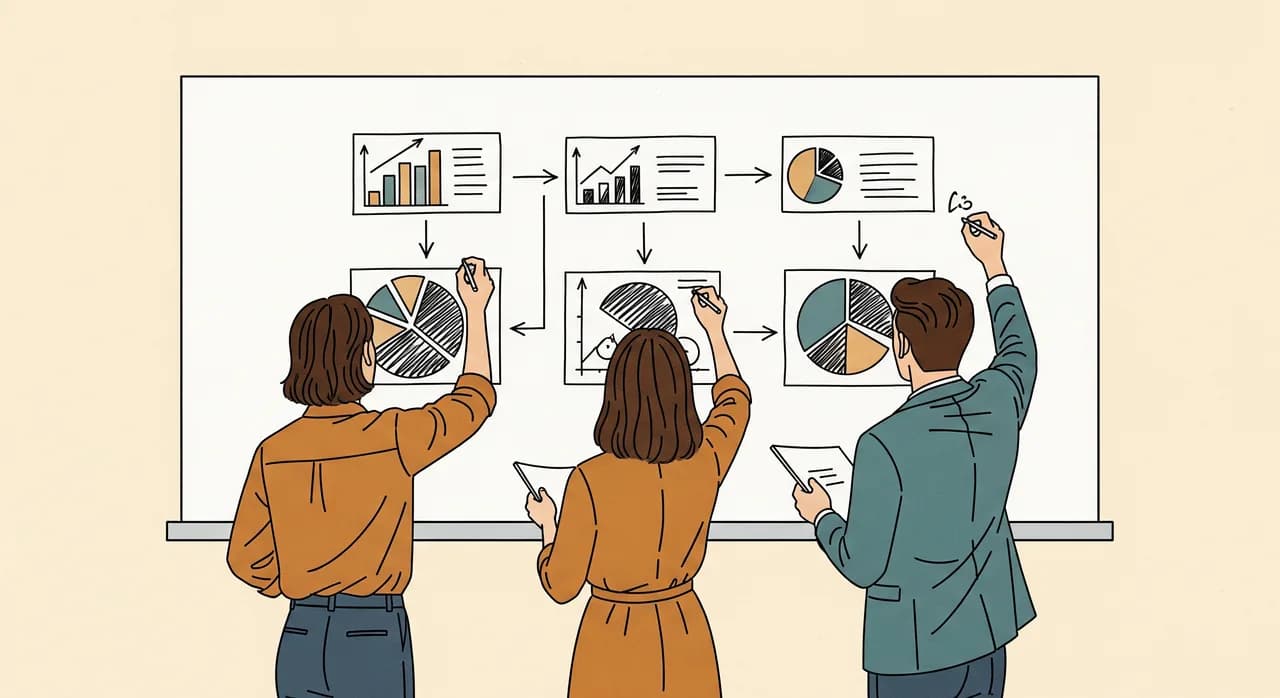
זה לא אומר שהוא חייב להיות אלגנטי או מתועד במלואו. זה אומר שהוא חייב להיות אמיתי וניתן לחזרה. המבחן פשוט: האם אתם יכולים לצייר אותו? אם הייתם מושיבים שלושה אנשים שעושים את העבודה בחדר ומבקשים מהם לשרטט את השלבים, האם הם היו מציירים פחות או יותר את אותה תמונה — או שלוש שונות, כשכל אחד מתעקש שלו זה איך זה "באמת" נעשה?
כללים מול שיקול דעת
עוזר גם לדעת באיזה סוג תהליך מדובר. אם הוא עוקב אחר כללים קבועים — העבר נתונים אלה לשם, שלח את התזכורת ההיא, סמן כל דבר מעל סף — אולי לא תזדקקו ל-AI כלל; אוטומציה פשוטה זולה ואמינה יותר. AI מצדיק את עצמו היכן שהעבודה באמת מבולגנת ובעלת אופי של שפה או שיקול דעת: קריאת אימייל בטקסט חופשי והוצאת ההזמנה ממנו, ניסוח טיוטת תשובה ראשונה, מיון מסמכים שאף אחד לא רוצה לתייק. כנות לגבי איזה מהם יש לכם חוסכת מכם לקנות פטיש חמש קילו לנעץ.
עמוד 3: האנשים שלכם — האם הם באמת ישתמשו בזה?
זה העמוד שמקבל את הכי פחות תשומת לב ושובר הכי הרבה פרויקטים. אתם יכולים שיהיו לכם נתונים נקיים ותהליך מסודר ועדיין לסיים עם כלי שאף אחד לא נוגע בו, כי האנשים שעבודתם השתנתה טופלו כמחשבה שולית. מודל שמתעלמים ממנו הוא בעל החזר השקעה של אפס בדיוק, לא משנה כמה מרשים הוא נראה במצגת.
מוכנות כאן עוסקת חלקית במיומנויות, אבל בעיקר באמון ומעורבות. האם האנשים שעושים את העבודה נשאלו מה מאט אותם, או שהוגש להם פתרון לבעיה שהם לא הסכימו שיש להם? האם מישהו בבניין מרגיש תחושת בעלות על הצלחת זה, או שזה "הפרויקט של היועץ"? האם יש לפחות אדם סקרן אחד בצוות שיהיה אלוף שלו במקום לעקוף אותו בשקט?
אתם לא צריכים מדעני נתונים בסגל. עבור רוב החברות הבינוניות, השותף הנכון מביא את העומק הטכני. מה שאי אפשר למיקור חוץ זה הנכונות לשנות איך מבוצעות כמה משימות יומיומיות — והנכונות הזו נבנית על ידי שיתוף אנשים מוקדם, לא על ידי הכרזה על המערכת החדשה בכינוס כללי אחרי שהיא כבר נקנתה.
עמוד 4: אסטרטגיה ותקציב — האם יש אחראי אמיתי ומספר אמיתי?
יוזמות AI שצפות חופשי מהעסק, ללא אחראי ברור וללא הצלחה מוגדרת, נוטות להיסחף עד שמישהו בשקט מנתק להן את התקציב. מוכנות בחזית זו אינה זוהרת אך מכרעת: אדם בעל שם שאחראי לתוצאה, בעיה ספציפית ששווה לפתור, ותקציב שתואם לשאיפה — כולל החלק שכולם שוכחים, שהוא לשמור על הדבר פועל אחרי ההשקה.
אתם אמורים להיות מסוגלים להשלים את המשפט הזה לפני שאתם מתחילים: "הפרויקט הזה מצליח אם, תוך שלושה חודשים, [דבר מדיד ספציפי] קורה." "אנחנו נהיים יותר חדשניים" אינו קו סיום; זו הודעה לעיתונות. "הצוות שלנו מפסיק לבזבז שש שעות בשבוע על הקלדה מחדש של הזמנות" הוא קו סיום. ככל שזה צר ומדיד יותר, כך טוב יותר — וכך קל יותר לדעת אם באמת ניצחתם.
| מרכיב | לא מוכן | מוכן |
|---|---|---|
| מטרה | "לעשות משהו עם AI" | "לקצר את זמן הזנת ההזמנות בחצי" |
| אחראי | אף אחד, או ועדה | אדם אחד בעל שם |
| תקציב | בנייה בלבד | בנייה + תפעול + תחזוקה |
| הצלחה | מעורפלת / פוליטית | מספר מדיד אחד |
| היקף | לשנות את החברה | לתקן תהליך כואב אחד |
לגבי התקציב במיוחד: הבנייה היא בדרך כלל החצי הקטן יותר. מודל זקוק לניטור, כיוונון מחדש מדי פעם, ואחראי שמבחין כשהמציאות נסחפת ממה שהוא אומן עליו. חברות שמתקצבות רק לבנייה מקימות כלי שעובד מצוין רבעון ואז נרקב לאט כי אף אחד לא קיבל שכר לטפל בו. תכננו לחיים שלאחר המוות המשעממים של הפרויקט, לא רק ללידה המרגשת שלו.
עמוד 5: סיכון וממשל — החלק שאי אפשר לדלג עליו באירופה
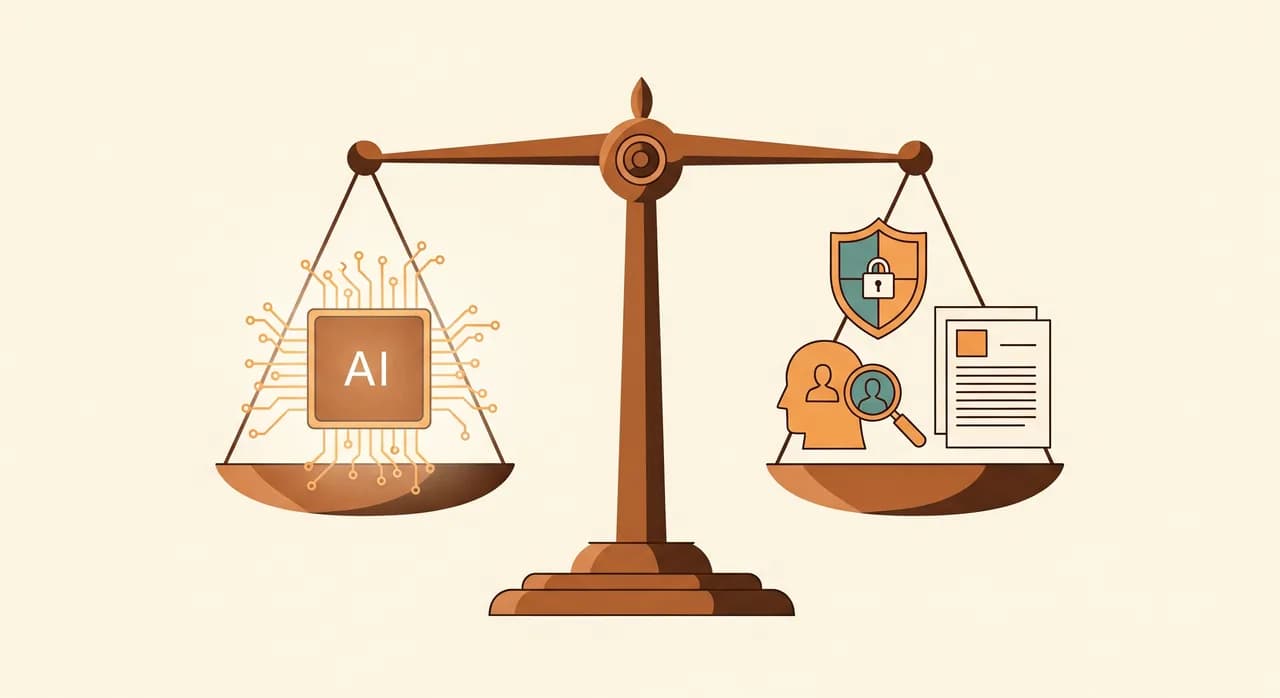
עבור חברה אירופית בינונית, העמוד הזה אינו אופציונלי, ולהעמיד פנים אחרת זו הדרך לסיים עם כלי חכם שמבחינה חוקית אינכם יכולים להפעיל. אתם לא צריכים מחלקת ציות, אבל אתם כן צריכים לשאול את השאלות הבסיסיות לפני שבונים, לא אחרי. בעיקר זה מסתכם בלדעת אילו נתונים המערכת נוגעת בהם, היכן הם מעובדים, ומי אחראי כשהיא טועה.
השאלות פחות מפחידות ממה שהן נשמעות. האם הכלי מעבד נתונים אישיים, ואם כן, על שרתים של מי ותחת איזה הסכם? אם ה-AI מציע משהו — מחיר, תשובה, החלטה — האם אדם בודק זאת היכן שזה חשוב, או שהיא פועלת לבד? האם אתם יכולים להסביר, בשפה פשוטה, איך הגיעה לפלט מסוים אם לקוח או מבקר שואל? האם חשבתם מה קורה ביום שבו היא תטעה בביטחון, כי היום הזה יגיע?
לחבר הכל: לתת לעצמכם ציון בכנות
אתם לא צריכים גיליון אלקטרוני לזה, אם כי אתם יכולים לבנות אחד. עברו על חמשת העמודים ודרגו כל אחד אדום, כתום או ירוק — לא בשאיפה, אלא כפי שהוא באמת היום. הנקודה אינה להשיג ירוק לכל אורך הדרך; כמעט אף חברה לא עושה זאת, ואתם לא צריכים. הנקודה היא למצוא את האדום או השניים שהיו מטביעים פרויקט ראשון, ולטפל בהם לפני שבונים.
- 1דרגו כל עמוד אדום, כתום, ירוקנתונים, תהליכים, אנשים, אסטרטגיה, ממשל. היו כנים — הערכה עצמית אופטימית פשוט דוחה את האכזבה למאוחר יותר.
- 2מצאו את האדומים החוסמים שלכםאדום בדיוק בעמוד שהפרויקט הראשון שלכם תלוי בו הוא תמרור עצור. אדום במקום לא קשור יכול לחכות. ההקשר חשוב יותר מהסך הכל.
- 3תקנו את הפערים הזולים קודםרוב פערי המוכנות נסגרים בעבודה לא זוהרת ובעלות נמוכה — הפיכת נתונים לנגישים, רישום התהליך, שיתוף הצוות מוקדם.
- 4בחרו את הפרויקט האמיתי הקטן ביותרבחרו תהליך יציב, תכוף, בעל בעלות ברורה שבו אתם ירוקים מספיק כדי לנצח. ניצחון קטן ומוגמר מממן את הבא — באמון, לא רק בכסף.
- 5ואז, ורק אז, בנוכשהאדומים מנוקים בעמודים שחשובים ויעד מדיד רשום, אתם מוכנים. לא מושלמים — מוכנים. אלה דברים שונים, ורק אחד מהם נשלח לייצור.
שימו לב שרוב העבודה הזו אין לה שום קשר ל-AI. נתונים נגישים, תהליך שאתם יכולים לצייר, צוות שמעורב, אחראי ברור, אדם בלולאה — אלה הופכים את החברה שלכם לטובה יותר גם אם לעולם לא תפרסו ולו מודל אחד. זה הבונוס השקט של לקיחת מוכנות ברצינות: ההכנה שווה בפני עצמה. AI פשוט נותן לכם סיבה סוף סוף לעשות את זה.
רוצים קריאה כנה של איפה אתם עומדים?
הערכת מוכנות היא הדרך הזולה והכי פחות מסוכנת להתחיל. נעבור איתכם על חמשת העמודים, נגיד לכם בבירור היכן אתם מוכנים והיכן לא, ונצביע על הפרויקט הקטן ביותר ששווה לעשות קודם — ללא כל מחויבות לבנות משהו.
ראו איך אנחנו ניגשים לייעוץ AIשאלות נפוצות
איך אני יודע אם החברה שלי מוכנה ל-AI?
האם אנחנו צריכים לשכור מדעני נתונים לפני שמתחילים?
האם הנתונים שלנו טובים מספיק ל-AI?
מה לגבי GDPR וחוק ה-AI של האיחוד האירופי?
האם כדאי לחכות עד ש-AI ישתפר לפני שמתחילים?

Have a nice day הוא סטודיו תוכנה שעוזר לעסקים קטנים ובינוניים לעבור לדיגיטל — אוטומציה, בינה מלאכותית ותוכנה בהתאמה אישית שעובדת בשגרת היום-יום, לא רק על שקפים.