כיצד מאפייה הפכה את ההזמנות היומיות שלה לאוטומטיות והחזירה לעצמה את הבקרים
סיפור אמיתי על מאפיית בוטיק קטנה שטבעה בהזמנות טלפוניות, פתקי נייר וניחושים בארבע לפנות בוקר — והאוטומציה השקטה והלא-זוהרת שהחזירה לבעלים כמה שעות בשבוע ועצרה את האפייה המופרזת.
 Have a nice day11 דק' קריאה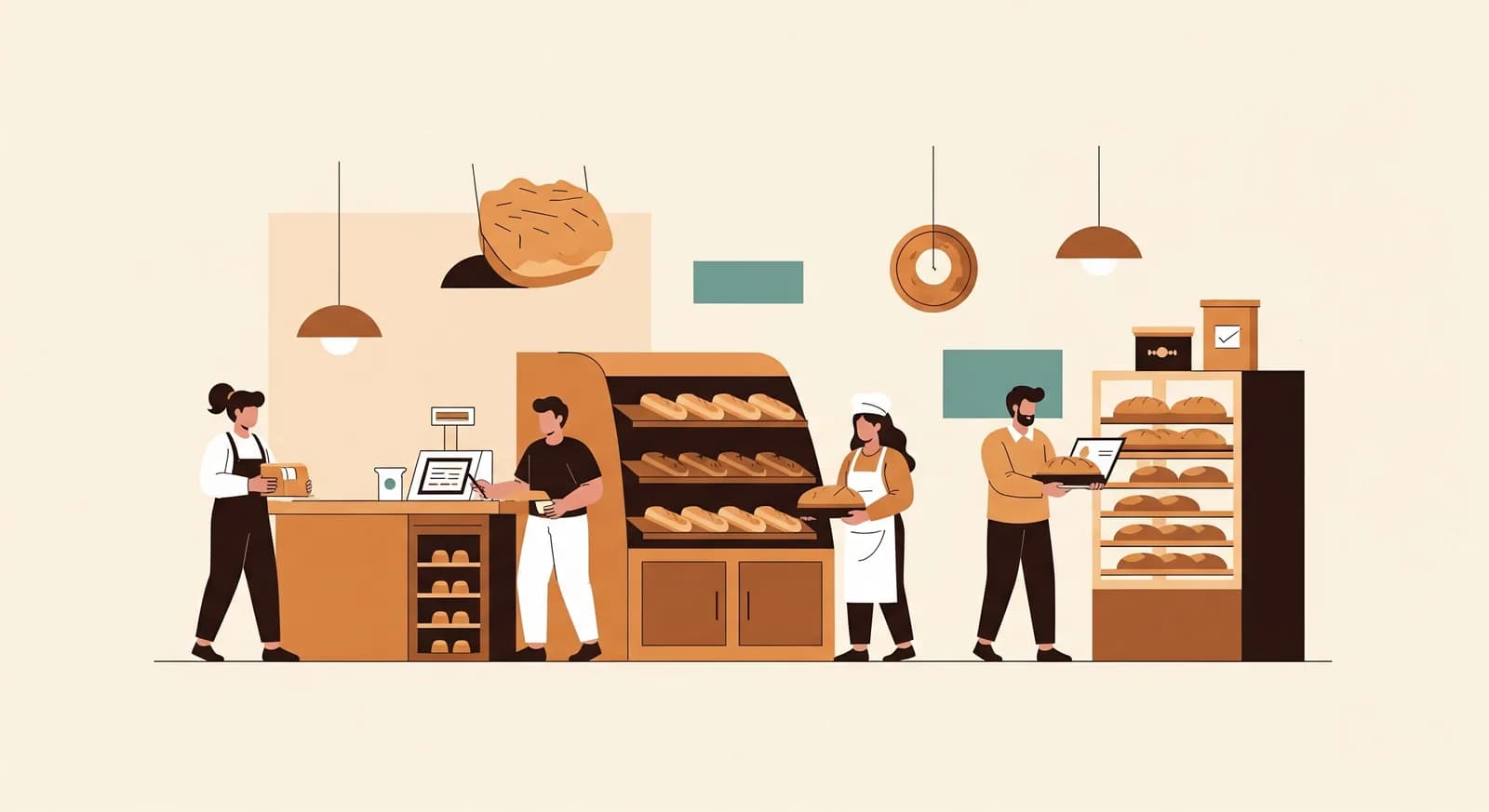
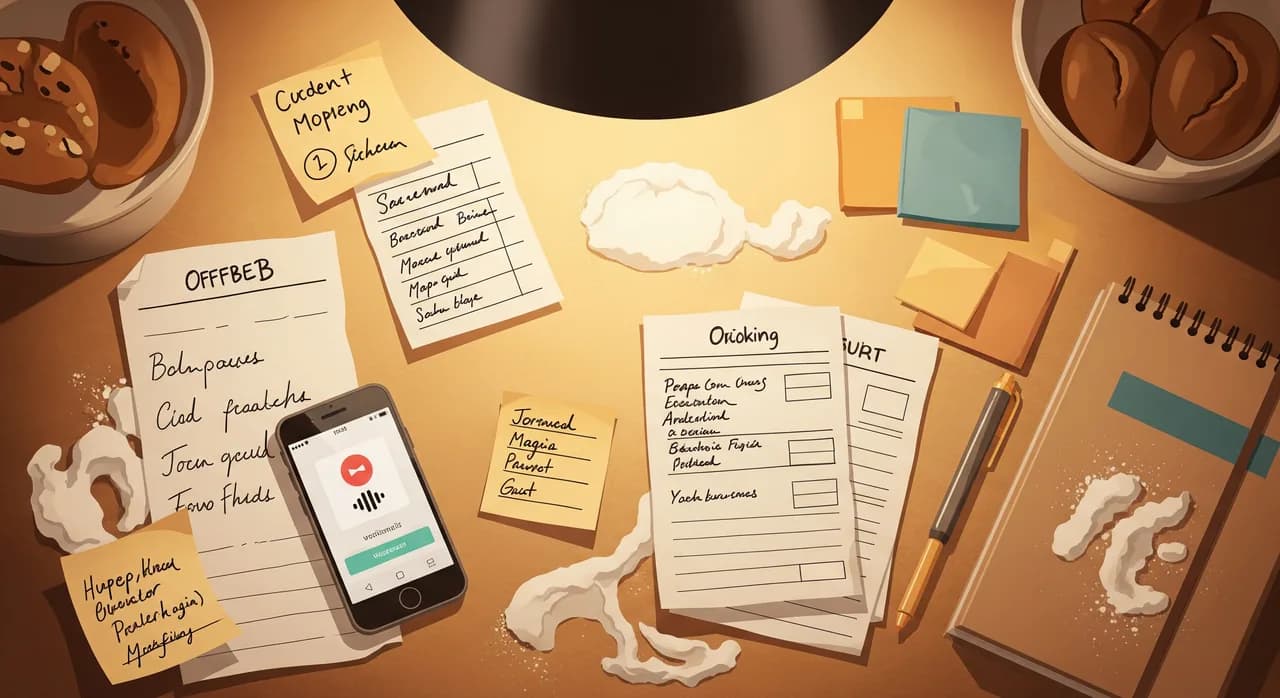
בשעה 4:10 לפנות בוקר, עוד לפני שהתנורים התחממו, בעל מאפיית בוטיק קטנה כבר עשה את העבודה שהכי שנא: עמד ליד השולחן עם ערימת פתקי נייר, טלפון מלא הודעות קוליות ושיחה שזכר בחצי מאתמול, מנסה לנחש כמה כיכרות לאפות. מעט מדי והוא היה מאכזב בית קפה עד תשע. יותר מדי והוא היה מוכר מחמצת בחצי מחיר עד ארבע, או זורק אותה. הניחוש היומי הזה, החוזר 300 בקרים בשנה, עלה לו בשקט בכסף, בשינה ובמצב הרוח. זה הסיפור של איך עצרנו את זה.
אני רוצה להיות כן לגבי משהו: זה מקרה בוחן אנונימי. המאפייה אמיתית, הבעיה הייתה אמיתית, והמספרים כנים בצורתם — אבל עיגלתי אותם והסרתי פרטים מזהים, כי המטרה כאן אינה להתרברב בלקוח אחד. אלא שבדיוק המצב הזה חוזר על עצמו באלפי עסקי מזון קטנים, והפתרון הרבה פחות דרמטי ממה שאנשים מצפים. לא הייתה מהפכת בינה מלאכותית. לא הייתה פלטפורמה יקרה. הייתה התבוננות זהירה בשגרת בוקר מבולגנת, וקומץ שינויים קטנים ומשעממים שהצטברו לכמה שעות ביום ולמטבח רגוע באופן ניכר.
אם אתם מנהלים מאפייה, מעדנייה, עסק מזון סיטונאי קטן — או בכנות כל עסק שבו הזמנות מגיעות בחמש דרכים שונות ומישהו צריך להפוך אותן לתוכנית ייצור ביד — הסיפור הזה בשבילכם.
המצב: הזמנות בכל מקום, תוכנית בשום מקום
המאפייה הייתה טובה — אולי עשרה עובדים, דלפק קמעונאי, ורשימה גדלה של לקוחות סיטונאיים: בתי קפה, שתי מסעדות, מלון קטן, כמה מטבחים תאגידיים. הצד הסיטונאי הזה היה עתיד העסק, וגם מקור הכאוס. בקמעונאות אפשר לאפות לפי תחזית. הזמנות סיטונאיות הן ספציפיות, הן משתנות מדי יום, ואם טועים בהן מאבדים את הלקוח.
הצרה הייתה באופן שבו ההזמנות הגיעו. חלקן הגיעו בטלפון, משורבטות על כל נייר שהיה קרוב. חלקן בהודעת טקסט לנייד האישי של הבעלים. כמה לקוחות קבועים שלחו אימיילים בלילה שלפני. בית קפה אחד עדיין שלח פקס — כן, בעשור הזה. הזמנות קבע חיו בראש של הבעלים: «המלון תמיד לוקח עשרים לחמניות בשבתות, חוץ מבקיץ.» שום דבר לא היה במקום אחד. שום דבר לא היה אמין. וכל בוקר, אדם אחד היה צריך לאסוף את הכול ולהפוך זאת למספר לכל מוצר לפני שהמנה הראשונה נכנסה.
כשהאדם הזה היה חולה, העסק באמת התקשה. זה הסימן האמיתי לתהליך שצריך תיקון: הוא לא רשום בשום מקום, הוא חי כולו בזיכרון של אדם אחד, והעסק עוצר את נשימתו בכל פעם שאותו אדם לוקח יום חופש.
“ההזמנות לא היו הבעיה. העובדה שאף אחד לא יכול היה לראות את כולן במקום אחד בזמן אחד — זאת הייתה הבעיה.”
העלות שאף אחד לא חיבר
לפני שנגענו בתוכנה כלשהי, עשינו משהו פשוט: שמנו מספרים על הכאב. לא מספרים מתוחכמים — רק מספיק כדי לדעת אם בכלל שווה לתקן את זה. ישבנו עם הבעלים אחר צהריים אחד ועברנו על שבוע רגיל.
טקס איסוף ההזמנות של הבוקר לקח בערך 60 עד 90 דקות ביום, בכל יום אפייה, בדרך כלל נעשה על ידי הבעלים או האופה הראשי — שני האנשים היקרים ביותר והעייפים ביותר בבניין. בנוסף, טעויות תמלול (12 שנקרא כ-21, הודעה שנשכחה) גרמו לשתיים או שלוש טעויות הזמנה בשבוע: או משלוח חסר שהרגיז לקוח, או אפייה מופרזת שהלכה לפח.
- 60–90 דקות של עבודה מיומנת בכל בוקר, רק לאיסוף וריכוז הזמנות.
- 2–3 טעויות הזמנה בשבוע — כל אחת או מכירה אבודה או מוצר מבוזבז, ולעיתים לקוח אבוד.
- ייצור יתר יומי «ליתר ביטחון», כי אף אחד לא בטח במספרים מספיק כדי לאפות מדויק.
- נקודת כשל יחידה: כשאדם אחד נעדר, כל תהליך ההזמנות התנדנד.
- אין היסטוריה — אין דרך להסתכל אחורה ולראות מה המלון באמת הזמין בדצמבר שעבר.
חברו יחד את הבזבוז והשכר, והבוקר המבולגן עלה למאפייה הקטנה הזו סכום משמעותי בן ארבע ספרות מדי חודש. זאת אינה טעות עיגול לעסק בגודל כזה. ברגע שכתבנו זאת, הבעלים הפסיק לראות את הפרויקט כ'נחמד שיהיה' והתחיל לראות אותו כמשהו שהיה צריך לקרות מזמן.
מה באמת עשינו
כאן החלק שאנשים מוצאים מאכזב. לא בנינו מערכת ERP ענקית למאפייה. לא החלפנו את הקופה, את תוכנת הנהלת החשבונות או את המתכונים. תקפנו דבר אחד: להכניס כל הזמנה למקום אחד באופן אוטומטי, ולהפוך זאת לגיליון ייצור נקי. כל השאר הושאר בכוונה לנפשו.
שלב ראשון: דלת כניסה אחת להזמנות
נתנו ללקוחות הסיטונאיים דרך אחת, פשוטה להפליא, להזמין — טופס הזמנה מקוון פרטי, אחד לכל לקוח, שזכר את הפריטים הרגילים שלהם ואיפשר להם להתאים כמויות וללחוץ שליחה. אין אפליקציה להתקנה, אין התחברות לשכוח; קישור שיכלו לסמן בנייד שלהם. עבור המעטים שסירבו להשתנות, הבעלים או צוות הדלפק יכלו להקליד הזמנה טלפונית לאותו טופס בפחות מדקה. המפתח לא היה לכפות על כולם לעבור למקוון — הוא היה לוודא שכל הזמנה, איך שלא הגיעה, נחתה במערכת אחת.
שלב שני: הזמנות קבע שזוכרות את עצמן
אותם כללים שחיו בראש של הבעלים — לחמניות השבת של המלון, הבאגטים של ימי החול של בית הקפה — כתבנו כהזמנות קבע חוזרות. עכשיו הן מופיעות אוטומטית בכל יום, ולקוח צריך ליצור קשר רק כשהוא רוצה לשנות משהו, לא כדי לאשר את אותה הזמנה בפעם האלף. השינוי האחד הזה הסיר נתח מפתיע מתעבורת הטלפון היומית.
שלב שלישי: גיליון הייצור האוטומטי
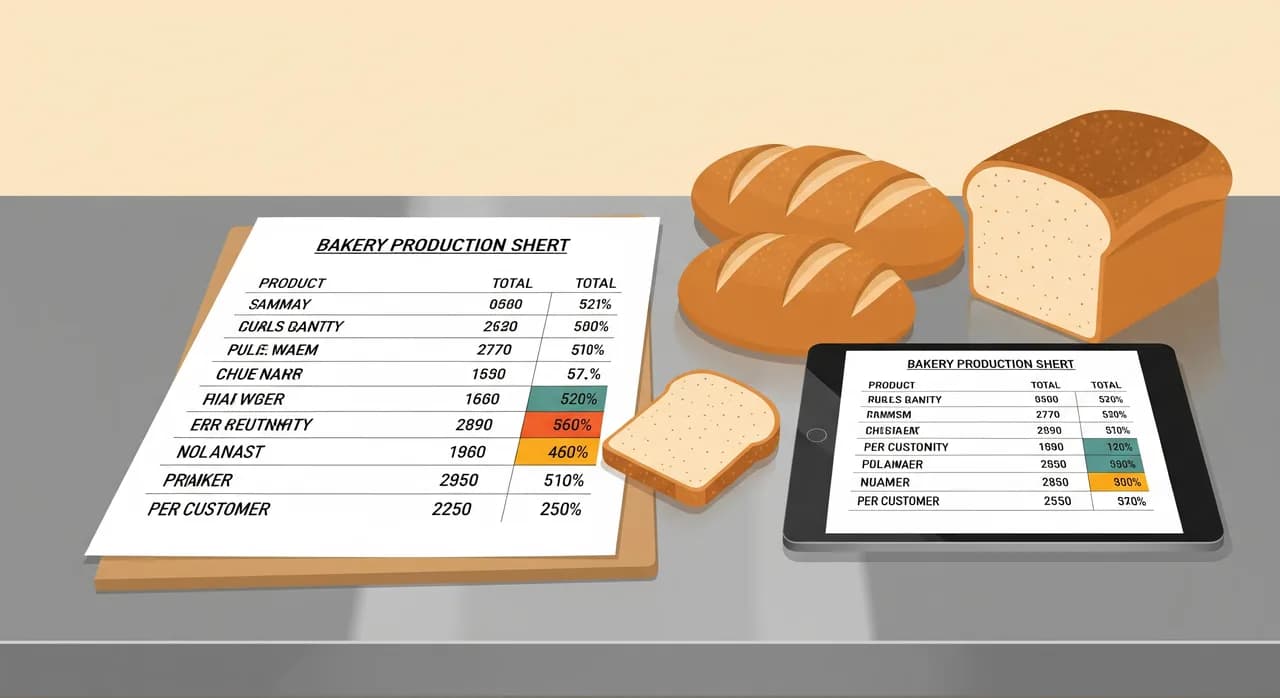
זה היה הגיבור השקט. בשעת חיתוך קבועה בכל ערב, המערכת חיברה כל הזמנה מאושרת — מקוונת, טלפונית וקבע — והפיקה גיליון מודפס אחד: כמות כוללת לכל מוצר, מפורקת לפי לקוח עבור שולחן האריזה. האופה הראשי נכנס לתוכנית מוגמרת במקום לבנות אותה משאריות. הניחוש לא השתפר. הוא נמחק.
האם הם היו צריכים בינה מלאכותית למשהו מזה?
כמעט לא לכלום. ואני חושב ששווה לומר זאת בבירור, כי יש כרגע הרבה לחץ להצמיד 'בינה מלאכותית' לכל דבר. טופס ההזמנה, הזמנות הקבע, הסיכומים הלילתיים — כל זה אוטומציה פשוטה מבוססת כללים. אמינה, זולה, קל לסמוך עליה. מאפייה לא צריכה רשת עצבית כדי לחבר כמה לחמניות לאפות.
היה בדיוק מקום אחד שבו הבינה המלאכותית המודרנית הצדיקה את מקומה: ההודעות מלקוחות שסירבו לחלוטין להשתמש בטופס והמשיכו לשלוח אימיילים או טקסטים של הזמנות בטקסט חופשי — «היי, כרגיל אבל בלי השיפון ועוד 6 קרואסונים בבקשה.» השתמשנו במודל שפה כדי לקרוא את הפתקים המבולגנים האלה ולמלא מראש טיוטת הזמנה שאדם יציץ בה ויאשר. זה לא רץ ללא פיקוח; זה רק חסך ממישהו הקלדה מחדש. זה התפקיד הכן של בינה מלאכותית בפרויקט כזה: סיוע קטן בקצה המבולגן באמת, בעל צורת שפה, היושב מעל ליבה מסודרת מבוססת כללים.
הטמעה בלי לשבור את הבקרים
אי אפשר לומר למאפייה פעילה 'לעלות לאוויר' ביום שני ולקוות. הבקרים קדושים; אם המערכת החדשה נכשלת, הלחם לא נאפה והלקוחות לא מקבלים אוכל. אז הטמענו זאת כמו שאנחנו מטמיעים הכול: כניסוי קטן והפיך הרץ במקביל לדרך הישנה.
- 1הריצו את שתי המערכות במקביל למשך שבועייםגיליון הייצור החדש נוצר בכל לילה — אבל הבעלים המשיך לעשות גם את האיסוף הידני, והשווה ביניהם בכל בוקר. כל אי-התאמה הייתה באג לתיקון, ללא שום סיכון לאפייה האמיתית.
- 2צרפו קודם את הלקוחות הקליםהתחלנו עם שלושת הלקוחות הסיטונאיים שהיו הכי שמחים להשתמש בטופס. ניצחונות מהירים, משוב אמיתי, ונקודת ייחוס פעילה לפני שניגשנו לאלה המהוססים.
- 3תנו לזה אחראי ברורהאופה הראשי היה אחראי על גיליון הייצור; צוות הדלפק היה אחראי על הקלדת הזמנות טלפוניות. אחריות שמית, כך שהמערכת לא יכלה להירקב בשקט.
- 4כתבו את פתק 'כשזה מתקלקל'כרטיס ממולמן אחד ליד השולחן: מה המערכת עושה, למי להתקשר, ואיך לאסוף הזמנות ביד לבוקר אחד אם זה אי פעם נכשל. הכרטיס הזה הוא מה שגרם לכולם לבטוח בזה.
- 5רק אז, פרשו את הנייראחרי שבועיים נקיים שבהם הגיליונות תאמו, טקס הנייר של הבוקר כובה רשמית — וכולם נאמרו, כך שלא שרד שום גיליון גיבוי סודי.
הריצה המקבילה היא החלק שהייתי מסרב לדלג עליו. היא עולה כמה שבועות של כפילות קלה, ובתמורה היא מסירה כמעט את כל הסיכון שבהפיכת משהו שהעסק תלוי בו כל יום לאוטומטי. עבור תהליך שקורה בארבע לפנות בוקר ללא מרווח לטעות, ההחלפה הזו היא מציאה.
התוצאות, בכנות
אשמור אותן כממחישות ומעוגלות, כי מספרים מדויקים ומרשימים מעסק קטן יחיד אומרים לכם מעט מאוד. אבל צורת השינוי הייתה ברורה, והיא הופיעה כבר בחודש הראשון.
| מדד | לפני | אחרי |
|---|---|---|
| זמן איסוף הזמנות יומי | 60–90 דקות | כ-10 דקות של סקירה |
| טעויות הזמנה בשבוע | 2–3 | נדיר — בעיקר נתפסות לפני האפייה |
| ייצור יתר «ליתר ביטחון» | יומי | צומצם בחדות; אפייה קרובה יותר לביקוש |
| מה קורה כשאדם אחד נעדר | התהליך מתנדנד | כל אחד יכול לקרוא את הגיליון |
| היסטוריית הזמנות | אין | ניתנת לחיפוש — שימושית לתכנון |
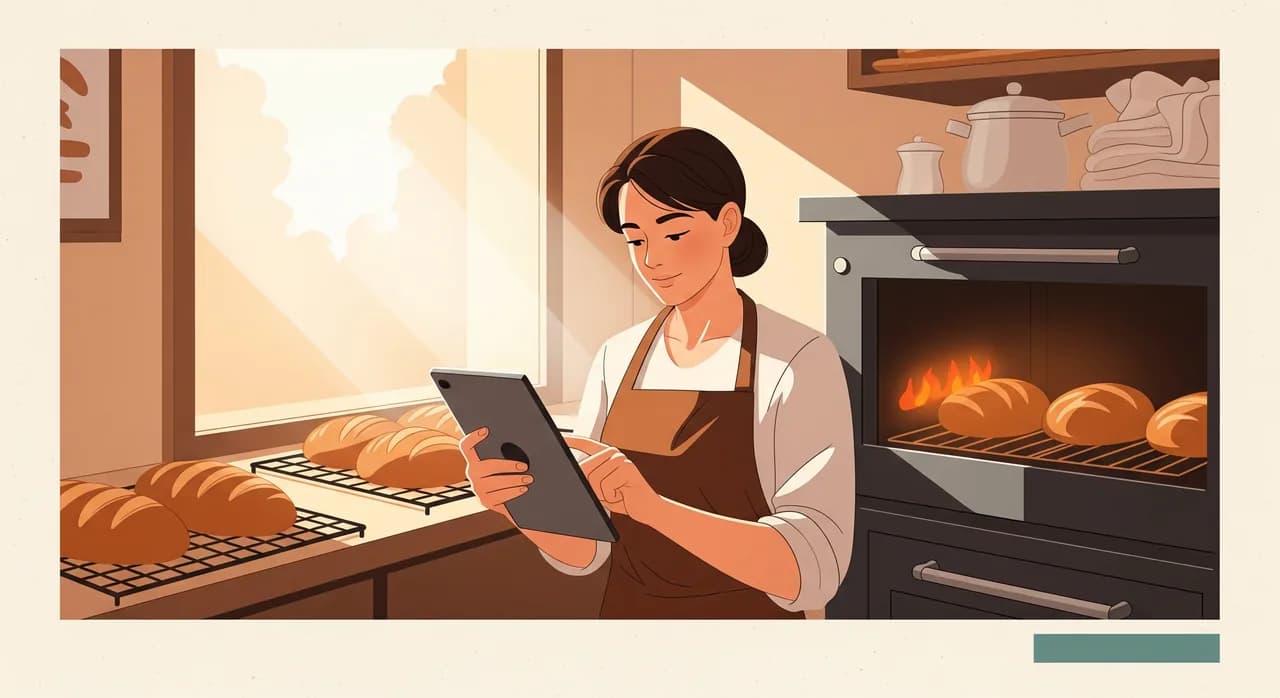
הכותרת שעניינה את הבעלים הייתה פשוטה: הוא קיבל בחזרה את רוב הבוקר שלו. שעה וקצת של ריכוז התכווצה לסקירה מהירה של גיליון שכבר היה מוכן. הזמן הזה חזר אל המלאכה עצמה — ובחלק מהימים, אל לא להיות במאפייה בארבע לפנות בוקר בכלל.
הניצחון השני היה הבזבוז. מכיוון שגיליון הייצור שיקף הזמנות אמיתיות ומאושרות במקום ניחושים עצבניים, הצוות יכול היה לאפות קרוב יותר לביקוש. הרפלקס של 'תוסיף עוד כמה ליתר ביטחון' התכווץ, וכך גם מגש השאריות המוזלות בסגירה. פחות בזבוז הוא השיפור הנדיר שעוזר לרווחיות וגם מרגיש טוב — אף אחד לא נהנה לזרוק אוכל שהכין בידיו עם שחר.
“לא הפכנו את המאפייה ליותר היי-טק. הפכנו את הבקרים לשקטים יותר — ובבקרים השקטים מסתתרים גם הכסף וגם השפיות.”
הייתה תועלת שלישית שאיש לא ביקש אבל כולם העריכו: היסטוריה. לראשונה, העסק יכול היה להסתכל אחורה ולראות מה כל לקוח באמת הזמין לאורך עונה. זה הפך את התכנון של דצמבר הבא מתרגיל זיכרון להצצה מהירה במספרים של דצמבר שעבר — וזה חידד את שיחות הסיטונאות, כי הבעלים סוף סוף יכול היה לראות את הדפוסים של עצמו.
מה לקחת מזה אם אתם מנהלים עסק מזון קטן
אם הגרסה שלכם לסיפור הזה היא פתקי הזמנות, טקסטים ומספר שאתם צריכים לנחש בכל בוקר, הלקח אינו 'קנו תוכנה למאפייה.' הוא צר יותר ושימושי יותר מזה. מצאו את המקום האחד שבו מידע מגיע בחמש צורות וצריך למזג אותו ביד תחת לחץ זמן — ותקנו את זה, ורק את זה, קודם.
שימו לב למה שגרם לפרויקט הזה לעבוד, כי זה מתאים כמעט לכל מקצוע. תימחרנו את הבעיה לפני שנגענו בכלי. תיעלנו כל קלט למקום אחד במקום לכפות על כולם לשנות את אופן התקשורת שלהם. הפכנו את הספירה לאוטומטית ושמרנו את השיפוט אנושי. הטמענו זאת במקביל כך שהעסק מעולם לא עצר את נשימתו. שום דבר מזה אינו ספציפי לקמח ולתנורים. זאת פשוט הדרך שבה מתקנים תהליך שמדמם זמן בשקט.
יש לכם כאוס הזמנות משלכם בארבע לפנות בוקר?
אם הבקרים שלכם מתחילים בערימת פתקים ובניחוש, אנחנו כמעט בוודאות יכולים להפוך זאת לרגוע יותר. נבחן כיצד הזמנות מגיעות אליכם היום ונמפה את הדרך הפשוטה ביותר להכניס אותן למקום אחד — ללא התחייבות, ללא פלטפורמה ענקית.
ראו כיצד אנו עוזרים למאפיותשאלות נפוצות
האם אני צריך להחליף את הקופה או את תוכנת הנהלת החשבונות שלי כדי לעשות זאת?
מה לגבי לקוחות שמסרבים להשתמש בטופס מקוון?
האם זאת בינה מלאכותית, והאם זה אמין מספיק להזמנות אמיתיות?
כמה זמן לקח להקים את זה?
האם זה יעבוד למעדנייה, לקצב או לסיטונאי קטן, ולא רק למאפייה?

Have a nice day הוא סטודיו תוכנה שעוזר לעסקים קטנים ובינוניים לעבור לדיגיטל — אוטומציה, בינה מלאכותית ותוכנה בהתאמה אישית שעובדת בשגרת היום-יום, לא רק על שקפים.