Prenotazioni per studi medici e saloni: cosa cambia davvero
In superficie, uno studio medico e un salone hanno entrambi bisogno solo di un'agenda. Sotto, le regole sono abbastanza diverse da far sì che il sistema di prenotazione sbagliato Le costi denaro in silenzio. Ecco cosa cambia davvero, e perché conta.
 Have a nice day14 min di lettura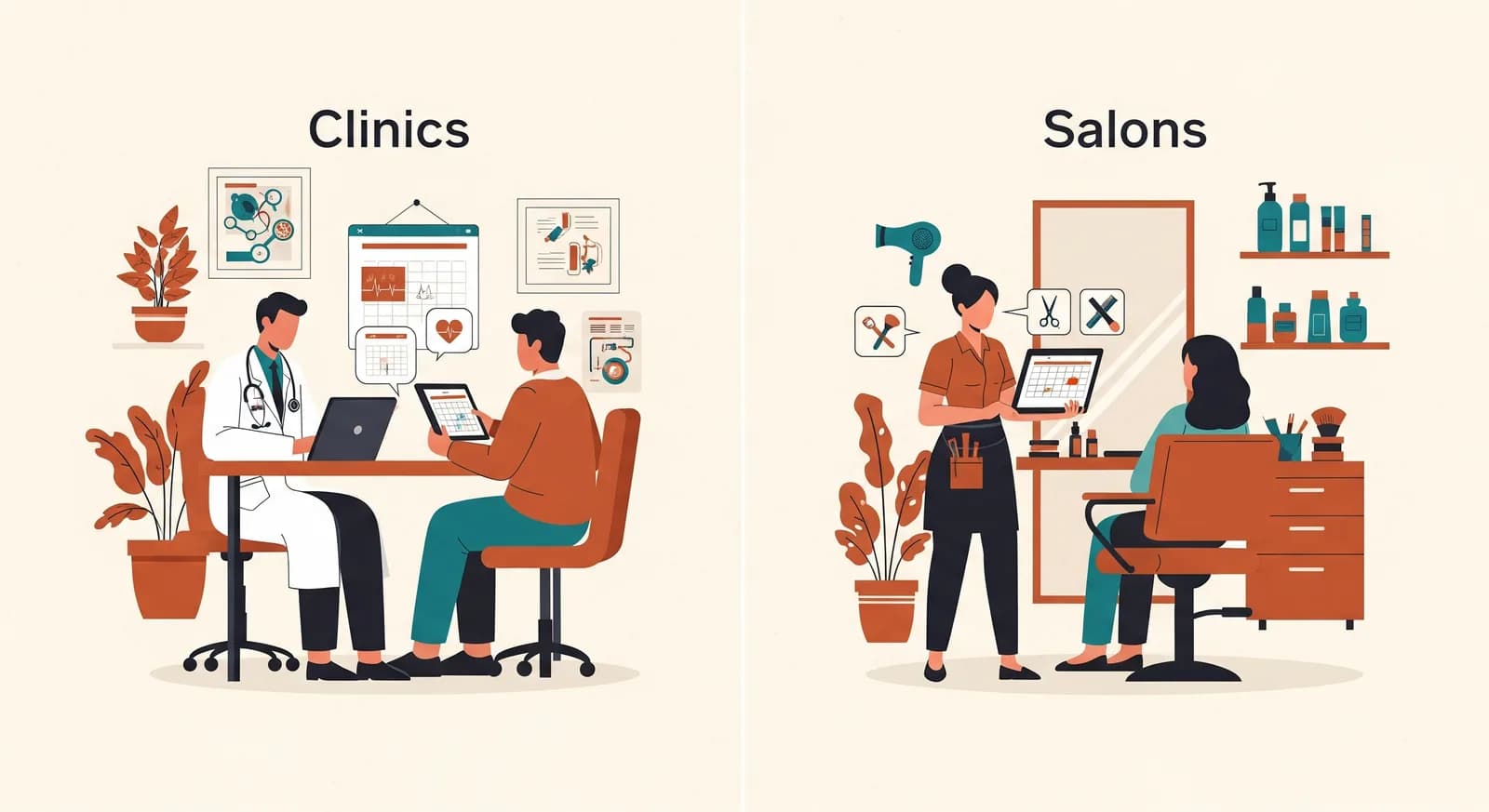
Se si fa un passo indietro abbastanza lontano, uno studio dentistico e un salone di parrucchiere sembrano la stessa attività. Entrambi vendono blocchi del tempo di qualcuno. Entrambi vivono e muoiono di agenda. Entrambi perdono denaro vero ogni volta che una poltrona resta vuota. Viene quindi spontaneo supporre che un solo strumento di prenotazione vada bene per entrambi, e molti fornitori sono ben contenti di lasciarglielo credere. Ma nel momento in cui ci si avvicina, i due divergono in modi che decidono se il software La aiuta in silenzio oppure La combatte in silenzio tutto il giorno.
Ho impostato sistemi di prenotazione per studi medici e per saloni, a volte nella stessa settimana, e il contrasto non smette mai di sorprendere. La titolare del salone vuole rapidità, riprenotazione e un sistema che valorizzi il marchio. La responsabile dello studio vuole il paziente giusto davanti al professionista giusto con il giusto margine, e nessuna possibilità che due persone finiscano nella stessa stanza. La stessa agenda in superficie. Priorità completamente diverse sotto.
Questa guida parla di quelle differenze, quelle che cambiano davvero quale sistema dovrebbe acquistare, non quelle del marketing. Che gestisca uno dei due tipi di attività, o si collochi da qualche parte nel mezzo (uno studio di fisioterapia, una med-spa, uno studio estetico), sapere dove i due mondi si separano Le eviterà di scegliere uno strumento bellissimo per il problema sbagliato.
La stessa agenda, un compito molto diverso
Partiamo da ciò che è davvero condiviso, perché è reale. Entrambe le attività hanno bisogno dell'autoprenotazione online, così il telefono smette di suonare durante il lavoro. Entrambe hanno bisogno di promemoria automatici, perché un mancato appuntamento è un buco nella giornata che non si può riempire. Entrambe hanno bisogno di una vista pulita di chi arriva e quando. Se un fornitore azzecca queste tre cose, è già a buon punto verso un sistema funzionante in entrambi i mondi.
Ma il compito che svolge l'agenda cambia nell'istante in cui si guarda cosa significa un appuntamento. In un salone, un appuntamento è soprattutto una transazione: un servizio, un prezzo, un parrucchiere, uno slot. In uno studio, un appuntamento è un passo di una relazione a cui sono legati storia, cartelle, consenso e talvolta peso legale. Questa sola differenza si propaga in quasi ogni decisione successiva: riservatezza, promemoria, chi vede cosa, con quanto anticipo si prenota e cosa succede quando qualcosa va storto.
“Entrambe le attività vendono tempo. Ma un salone vende un servizio e uno studio gestisce una relazione, e il sistema di prenotazione deve sapere quale dei due è.”
Riservatezza e cartelle: dove gli studi prendono il largo
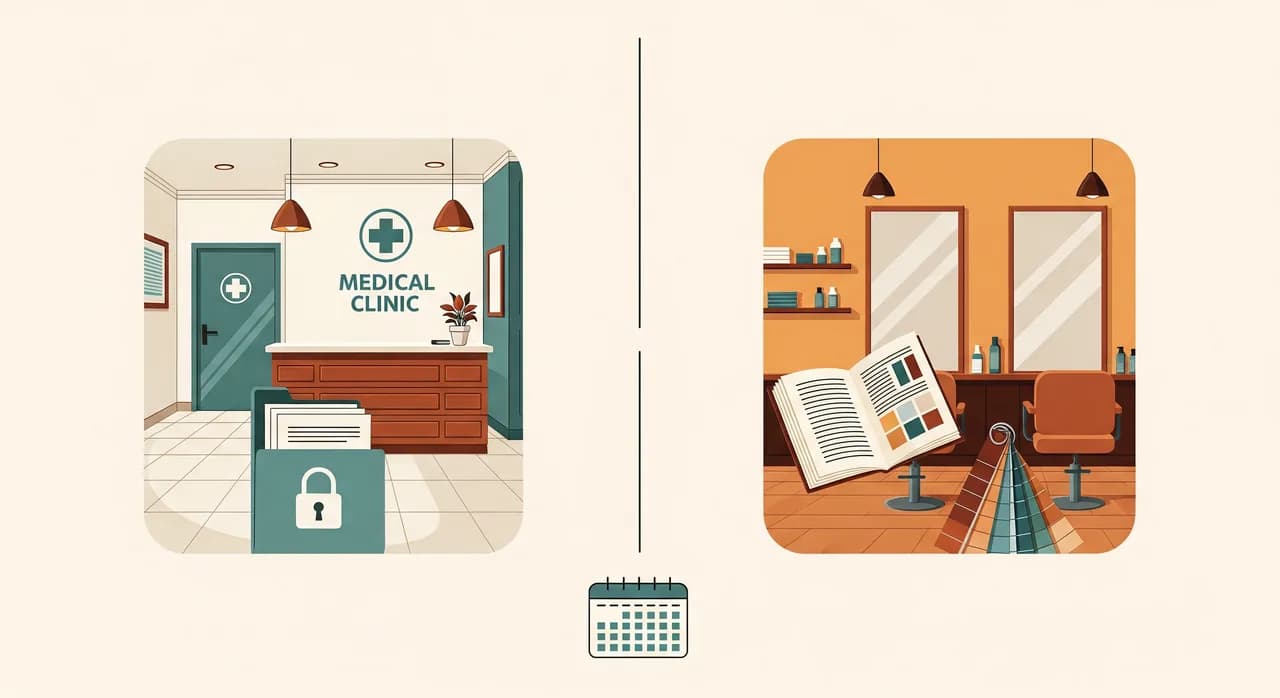
Questo è il bivio più grande, e non di poco. Una prenotazione di salone è un dato a bassa sensibilità: un nome, un numero di telefono, magari una nota che a qualcuno piace il caffè amaro e detesta le chiacchiere. Una prenotazione di studio tocca informazioni sulla salute, il che in gran parte d'Europa significa che ricade in pieno sotto le norme di protezione dei dati e richiede uno standard di gestione più alto: chi può accedervi, dove sono conservate, per quanto tempo e come vengono condivise.
In pratica, ciò significa che uno studio non può semplicemente prendere la più bella app di prenotazione consumer e puntarla sui pazienti. Serve un sistema che tratti i dati sanitari con cura fin dalla progettazione: un controllo degli accessi adeguato perché la reception veda l'agenda ma non le note cliniche, una traccia di chi ha consultato cosa, e un fornitore che firmi davvero i documenti che un'attività regolamentata richiede. Un salone, al contrario, può essere molto più rilassato, e dovrebbe esserlo, perché pagare per una conformità di livello clinico di cui non ha bisogno è semplicemente denaro bruciato.
Come sono costruiti gli appuntamenti stessi
Guardi la struttura di una singola prenotazione e i due divergono di nuovo. I servizi di salone tendono a essere modulari e impilabili: un taglio, un colore, un trattamento, spesso combinati in una visita con un parrucchiere, e la durata è abbastanza prevedibile una volta noto il servizio. Il compito del sistema è concatenarli con ordine e tariffarli.
Gli appuntamenti di studio portano più vincoli. Un paziente specifico spesso ha bisogno di un professionista specifico: non si può riassegnare un controllo a chi è libero come si scambierebbe un parrucchiere con un altro. Ci sono margini per la pulizia o le note tra un paziente e l'altro. Ci sono risorse oltre la persona: una sala visite, una poltrona, un'apparecchiatura che un solo appuntamento può usare alla volta. E c'è il triage: una prima visita non è uguale a un controllo di routine, e il sistema deve conoscere la differenza per prenotare la durata giusta e la persona giusta.
Durata, margini e gli intervalli tra essi
I saloni ragionano in tempi di servizio. Gli studi ragionano in tempi di servizio più i minuti invisibili attorno: sanificare una stanza, scrivere le note, preparare il paziente successivo. Un sistema di prenotazione che non sa modellare questi margini impilerà allegramente gli appuntamenti uno attaccato all'altro e rovinerà in silenzio la giornata di uno studio. Per un salone, l'uno dopo l'altro è spesso proprio ciò che si vuole, così la stessa funzione essenziale in un posto diventa ingombro nell'altro.
Persone contro stanze
In un salone, il vincolo è quasi sempre il parrucchiere. In uno studio, si gestiscono due risorse scarse alla volta: il professionista e la stanza o l'apparecchio. Se il Suo sistema pianifica solo le persone, prenoterà due volte l'unica sala visite che possiede e non se ne accorgerà finché non ci saranno dentro due pazienti. La pianificazione consapevole delle risorse è un di più gradito per i saloni e un requisito imprescindibile per molti studi.
| Dimensione | Salone | Studio |
|---|---|---|
| Sensibilità dei dati | Bassa — dati di contatto | Alta — dati sanitari, regolamentati |
| Scelta del professionista | Flessibile, intercambiabile | Spesso fissata a una persona |
| Margini tra le visite | Di solito nessuno | Frequentemente richiesti |
| Risorse da pianificare | Soprattutto il parrucchiere | Persona + stanza + apparecchio |
| Riprenotazione sul posto | Centrale per il fatturato | A volte, dipende dal tipo |
| Integrazione con le cartelle | Facoltativa | Spesso essenziale |
Mancati appuntamenti e promemoria: stesso nemico, tattiche diverse
Entrambe le attività detestano i mancati appuntamenti, ma li combattono in modo diverso. Uno slot di salone perso è fatturato perso che si potrebbe recuperare con un cliente senza appuntamento o una lista d'attesa. Uno slot di studio perso può essere fatturato perso e un paziente la cui assistenza è appena slittata, ed è per questo che gli studi si appoggiano spesso di più su passaggi di conferma, acconti per certi trattamenti e promemoria inviati con maggiore anticipo.
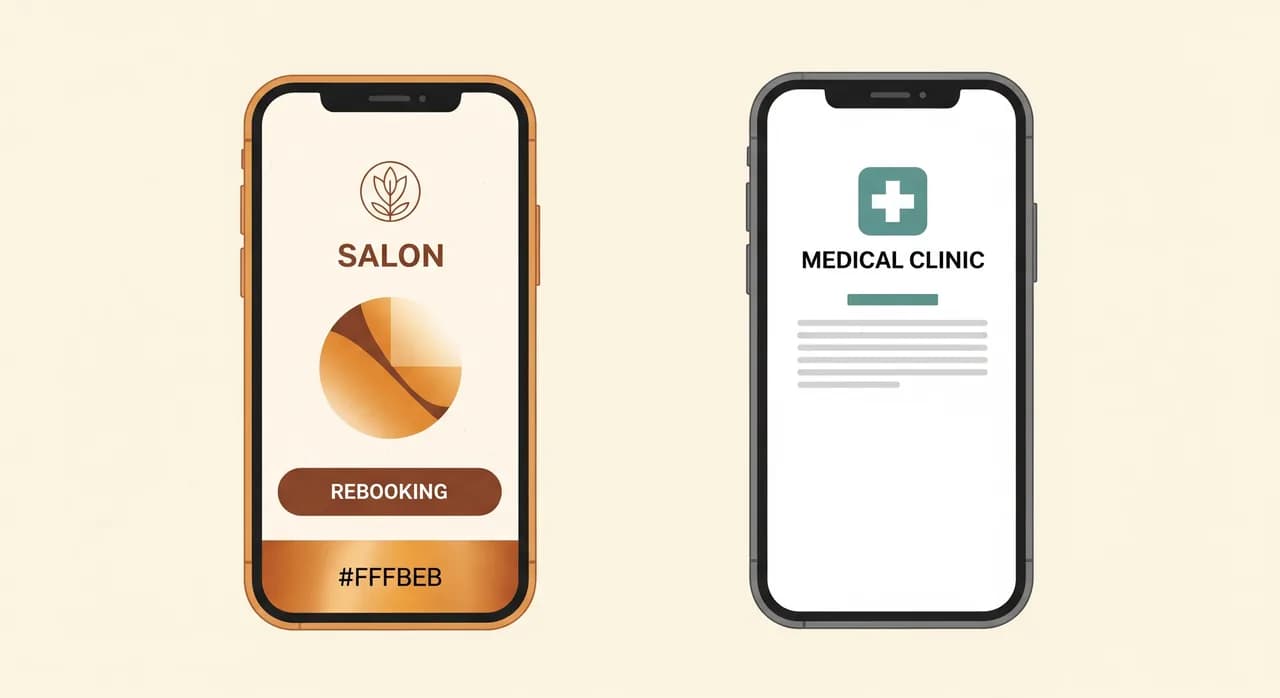
Anche il tono e il canale differiscono. Un salone può essere giocoso e mettere in primo piano il marchio nei promemoria, spingere la riprenotazione, infilare un'offerta. Un promemoria di studio deve essere chiaro, neutro e attento a ciò che dice: non vuole che un SMS su un telefono di famiglia condiviso riveli la natura della visita. La funzione di fondo, i promemoria automatici, è identica. Come Le è permesso usarla, no.
Con quanto anticipo, e come prenotano le persone
Anche la finestra di prenotazione — quanto avanti nel futuro le persone pianificano — appare diversa. I saloni vanno su un orizzonte breve e scorrevole: questa settimana, la prossima, l'appuntamento per il colore tra sei settimane. Gli studi coprono un raggio molto più ampio, dallo slot urgente in giornata al controllo prenotato con mesi di anticipo, a volte come serie ricorrente. Un sistema tarato per un ritmo può risultare goffo nell'altro.
Il flusso di autoprenotazione stesso diverge sulla fiducia. Un salone vuole che il percorso da ‘voglio un taglio’ a ‘prenotato’ sia il più breve umanamente possibile: l'attrito qui sono prenotazioni perse. Uno studio a volte ha bisogno di un po' di attrito: una domanda di filtro, un motivo della visita, un avviso che i nuovi pazienti prenotano una prima visita più lunga. L'obiettivo non è la velocità fine a sé stessa; è mettere a calendario l'appuntamento giusto. Progettare il flusso come se uno studio fosse un salone genera un fiume di slot mal prenotati che il personale deve poi sbrogliare al telefono, vanificando l'intero senso dell'autoprenotazione.
Il mezzo insidioso: med-spa, fisioterapia, estetica
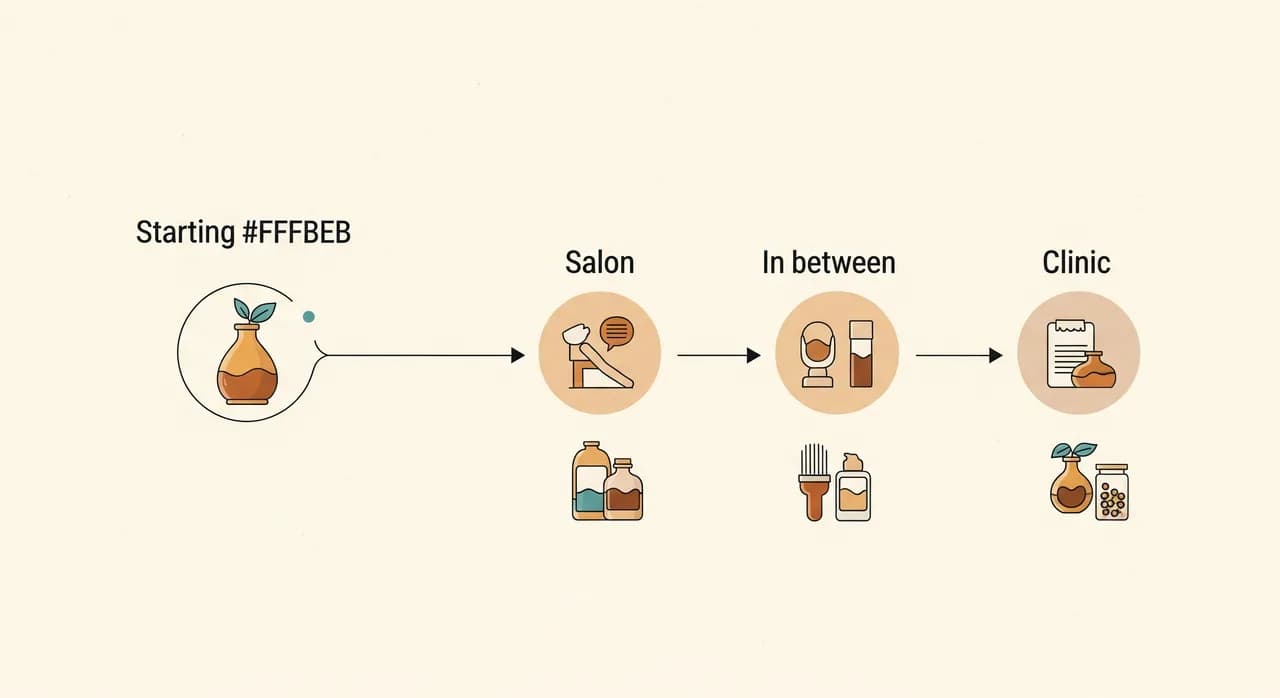
È qui che diventa davvero interessante, perché sempre più attività vivono tra i due mondi. Una med-spa vende l'esperienza del salone ma esegue procedure dal peso clinico. Uno studio di fisioterapia ha un'aria clinica ma riprenota come un salone: un ciclo di sedute settimanali, lo stesso terapista, sul posto. Uno studio di estetica vuole la lucentezza di marchio della bellezza e la disciplina dei dati della medicina, allo stesso tempo.
Per questi, la risposta onesta è: servono le fondamenta cliniche (riservatezza, cartelle, risorse, margini) con l'esperienza di livello salone (prenotazione veloce, riprenotazione, un marchio che non sembri un portale ospedaliero) sopra. Questa combinazione è più difficile da comprare a scaffale, ed è proprio per questo che molte attività intermedie finiscono o a lottare con uno strumento costruito per la metà sbagliata, o ad avere qualcosa plasmato per aderire a come lavorano davvero.
“Le attività che faticano di più non sono gli studi puri né i saloni puri. Sono quelle nel mezzo, costrette a scegliere uno strumento costruito per una sola metà di ciò che fanno.”
Come scegliere senza farsi abbagliare
Tolga le demo e gli screenshot, e la decisione si riduce a una sequenza breve e onesta. La maggior parte dei titolari la fa nell'ordine sbagliato: cede prima a un'interfaccia e verifica i vincoli per ultimi, che è esattamente al contrario.
- 1Dichiari da che parte sta davveroSalone, studio o davvero nel mezzo? Non si lusinghi verso il ‘clinico’ se è un salone, né liquidi la conformità se tratta dati sanitari. Questa sola risposta esclude metà del mercato.
- 2Elenchi prima i Suoi requisiti irrinunciabiliGestione dei dati, professionisti fissi, pianificazione delle stanze, margini, serie ricorrenti: ciò che è non negoziabile per come lavora. Sono filtri, non optional graditi.
- 3Solo allora giudichi l'esperienzaOra guardi la velocità di prenotazione, l'aspetto e la sensazione, la riprenotazione, i promemoria. Un'interfaccia deliziosa che fallisce un requisito irrinunciabile resta lo strumento sbagliato.
- 4Lo testi con la Sua settimana reale più caoticaFaccia passare una settimana vera: le doppie prenotazioni, gli annullamenti, l'accettazione dei nuovi pazienti, gli appuntamenti per il colore uno dopo l'altro. Le demo levigate nascondono i casi limite che davvero decidono.
- 5Scriva com'è fatto il ‘buono’Una frase: ‘Nessun paziente prenota la durata sbagliata dell'appuntamento, e nessuna stanza viene mai prenotata due volte.’ Se lo strumento non può promettere quella frase, non è il Suo strumento.
Una breve storia dal terreno di mezzo
Uno studio di fisioterapia con cui abbiamo lavorato aveva comprato una vistosa app di prenotazione da salone perché un amico con un barbershop ne andava pazzo. Sulla carta sembrava perfetta: veloce, bella, economica. In realtà pianificava le persone ma non le stanze, così due terapisti finivano di continuo nell'unica sala visite con il lettino per la trazione. Non aveva margini, così le note si accumulavano senza essere scritte. E conservava i dati dei pazienti in un modo che gli obblighi sui dati dello studio non potevano davvero giustificare. Lo strumento non era cattivo: era costruito per l'altra metà.
Non abbiamo buttato via l'idea di un'esperienza di prenotazione cordiale e veloce: i pazienti adoravano quella parte. L'abbiamo tenuta e ci abbiamo messo sotto fondamenta solide: pianificazione consapevole delle stanze perché il lettino non venisse mai rivendicato due volte, margini integrati in ogni tipo di seduta, serie ricorrenti con terapista fisso per un ciclo di cure, e una gestione dei dati allineata agli obblighi dello studio. I mancati appuntamenti sono calati appena i promemoria sono usciti con un comodo link per riprogrammare, e la reception ha smesso di passare le mattine al telefono a sistemare l'agenda. Plausibilmente un'ora o due recuperate al giorno: il punto non è la cifra esatta, è che lo strumento finalmente combaciava con il lavoro.
Non sa quale sistema di prenotazione si adatta a come lavora?
Che gestisca uno studio, un salone o qualcosa nel mezzo, il punto di partenza giusto è dichiarare cosa deve davvero essere vero per la Sua settimana. La aiuteremo a capirlo prima che qualcuno parli di funzionalità, senza alcun obbligo di costruire nulla.
Scopra come affrontiamo il software di prenotazioneDomande frequenti
Uno studio può semplicemente usare una popolare app di prenotazione da salone?
Qual è la singola differenza più grande tra prenotazioni di studio e di salone?
Gestisco una med-spa. Sono uno studio o un salone?
I saloni devono preoccuparsi della riservatezza degli appuntamenti?
Gli stessi promemoria riducono i mancati appuntamenti in entrambi?

Have a nice day è uno studio software che aiuta le piccole e medie imprese a digitalizzarsi — automazione, IA e software su misura che funziona nelle operazioni quotidiane, non solo sulle slide.