Die wahren Kosten von Individualsoftware: TCO für kleine Unternehmen, erklärt
Das Angebot, das Sie für Individualsoftware erhalten, ist selten das, was sie Sie über fünf Jahre kostet. Hier ist eine ehrliche Aufschlüsselung der Gesamtbetriebskosten — was sich hinter dem Entwicklungspreis verbirgt und wie Sie ohne böse Überraschungen kalkulieren.
 Have a nice day13 Min. Lesezeit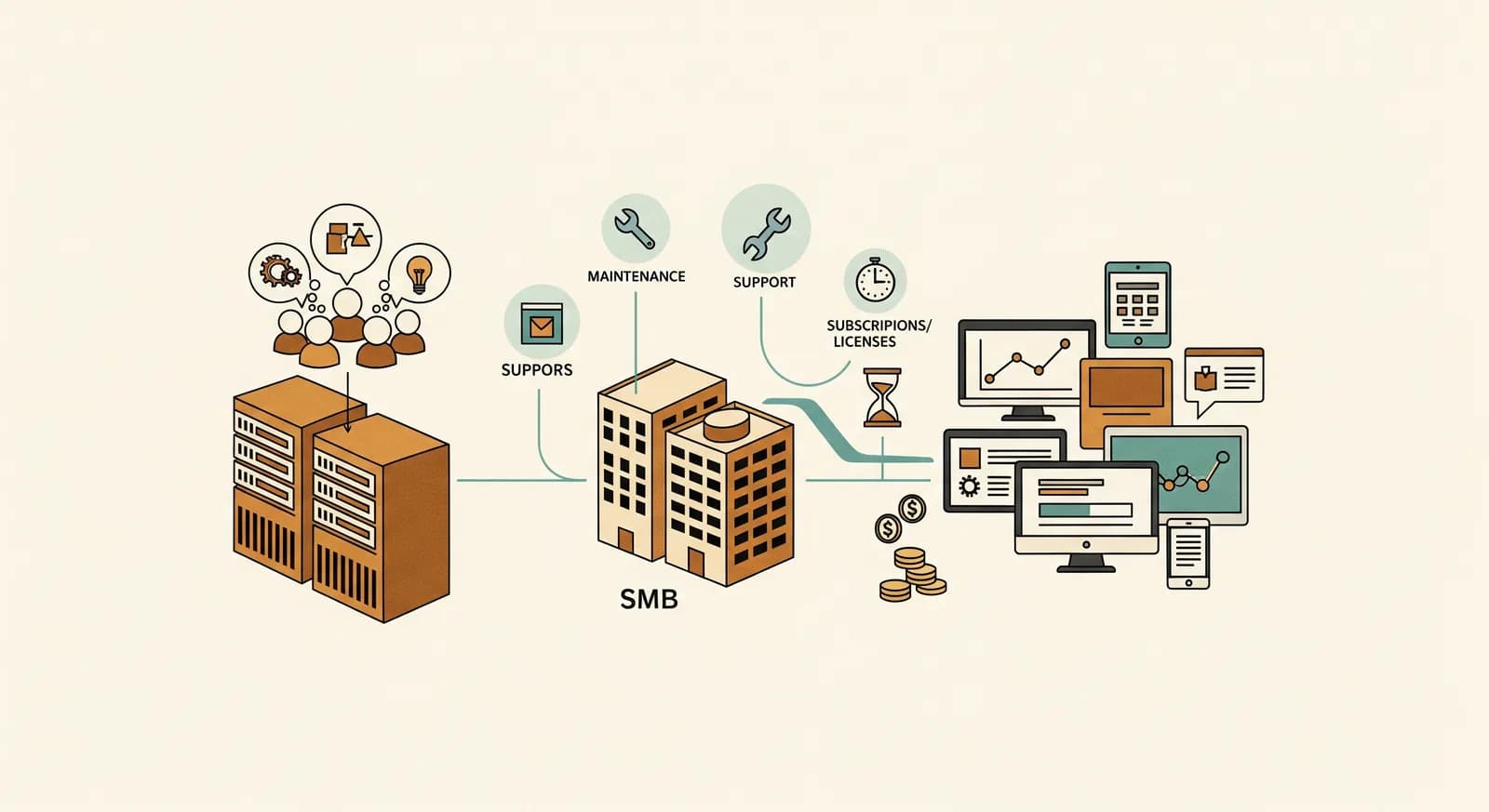
Wenn Ihnen jemand ein Angebot für Individualsoftware vorlegt, fühlt sich die Zahl darauf wie der Preis an. Ist sie aber nicht. Sie ist der Preis der Entwicklung — die erste Runde eines Rennens, das über Jahre läuft. Die tatsächliche Summe, die im Lauf der Zeit wirklich von Ihrem Konto abfließt, liegt meist zwischen dem Zwei- und Vierfachen dieser Ausgangszahl. Niemand sagt Ihnen das vorab, denn es laut auszusprechen macht das Verkaufsgespräch unangenehm. Führen wir also stattdessen das unangenehme Gespräch.
Ich habe viele kleine Unternehmen ihre erste Individualsoftware in Auftrag geben sehen. Die, die am Ende zufrieden sind, hatten fast nie das günstigste Angebot oder die spektakulärste Demo. Sie hatten ein klares Bild von den Gesamtbetriebskosten — TCO, wenn Sie Abkürzungen mögen — bevor sie etwas unterschrieben. Sie wussten: Ein System ist nichts, was man kauft, sondern etwas, das man behält. Wie ein Lieferwagen: Der Kaufpreis ist der einfache Teil, und dann kommen Sprit, Wartung, Versicherung und der Reifen, der im denkbar ungünstigsten Moment platzt.
Dieser Leitfaden ist die ehrliche Version dieses Bildes. Keine Panikmache, kein Upselling — nur, wohin das Geld über fünf Jahre tatsächlich fließt, welche Posten still vom Angebot verschwinden und wie Sie so kalkulieren, dass die Rechnung Sie nie überfällt. Wenn Sie eine Individualentwicklung erwägen, lesen Sie das, bevor Sie irgendein Angebot lesen.
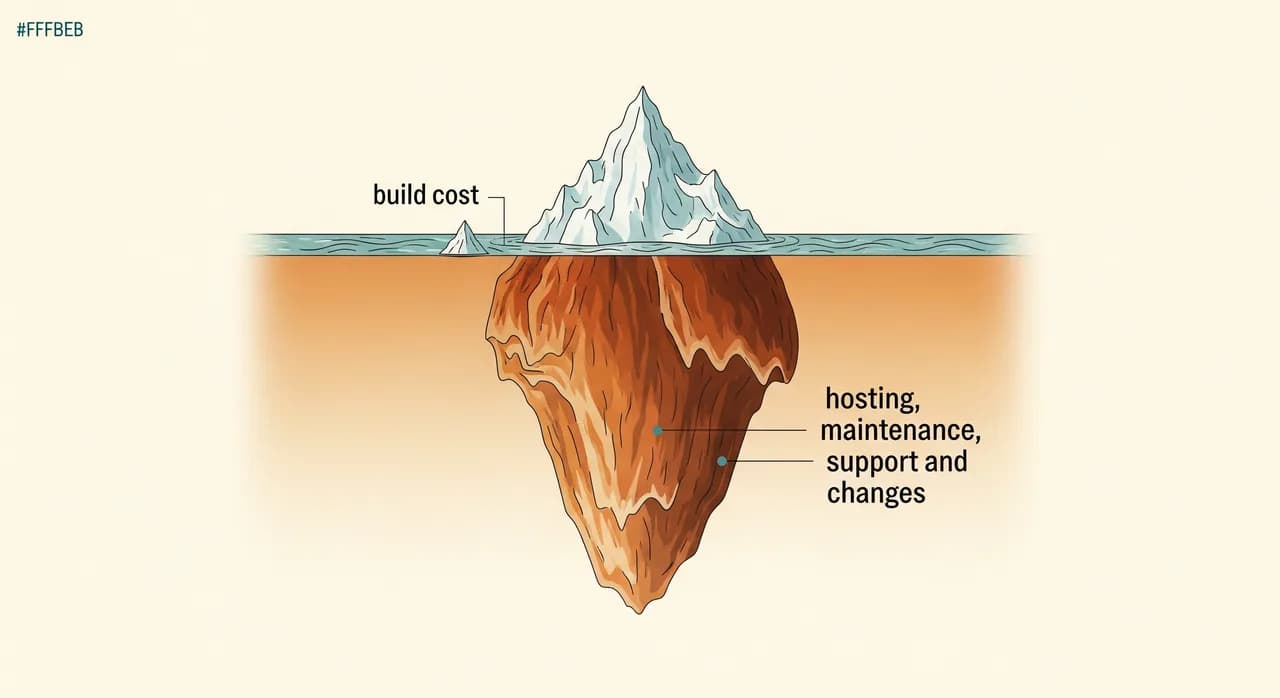
Der Entwicklungspreis ist die Spitze des Eisbergs
Hier ist das Denkmodell, das alles in Ordnung bringt: Das Entwicklungsangebot deckt ab, Ihre Software fertigzustellen und live zu schalten. Das war's. Alles, was nach dem Start passiert — und Software verbringt den größten Teil ihres Lebens nach dem Start — ist eine separate, laufende Kostenstelle, die die Entwicklungszahl nicht berührt.
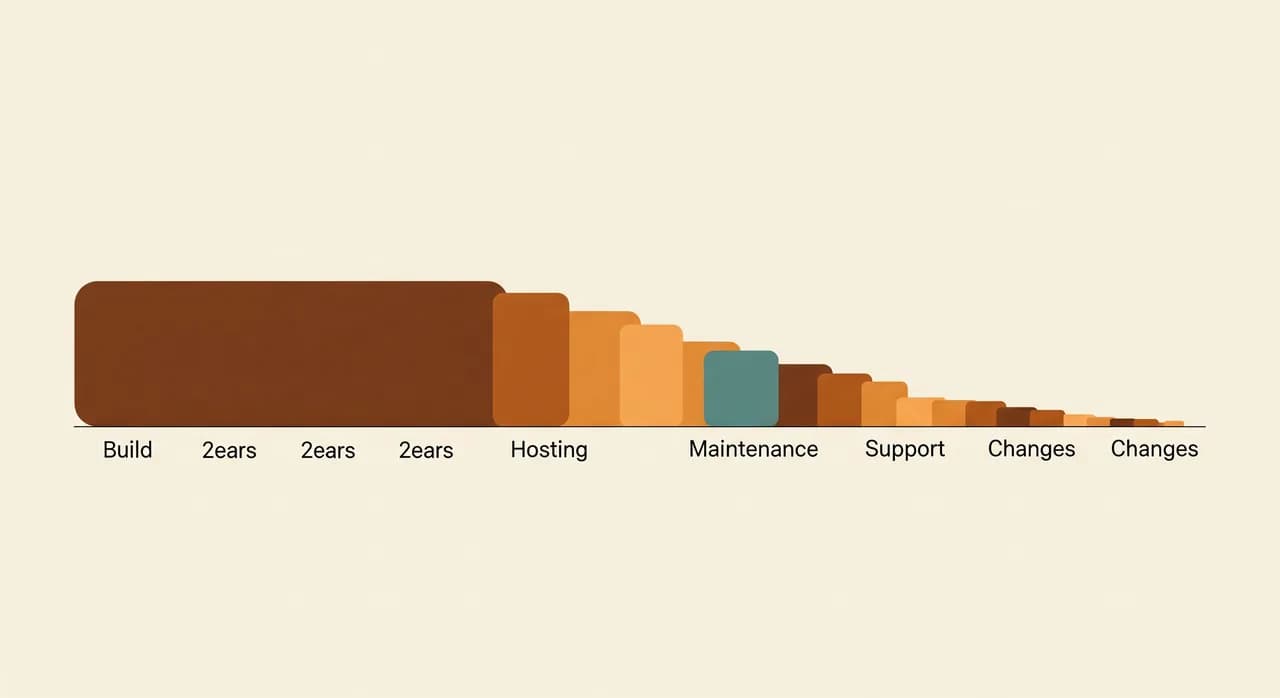
Eine grobe Faustregel, die sich über Dutzende Projekte bewährt hat: Über eine fünfjährige Lebensdauer macht die anfängliche Entwicklung oft nur 30 bis 40 Prozent dessen aus, was Sie tatsächlich ausgeben. Der Rest sind Hosting, Wartung, Support, Sicherheit und die Änderungen, die Sie unweigerlich wollen, sobald echte Menschen das Ding nutzen. Nichts davon ist Verschwendung. Es ist nur der Teil, den niemand auf die Titelfolie schreibt.
“Software ist nichts, was man kauft. Sie ist etwas, das man behält — und Behalten kostet jedes einzelne Jahr Geld, ob Sie es eingeplant haben oder nicht.”
Das ist kein Grund, Individualsoftware zu meiden. Für das richtige Problem zahlt sie sich vielfach aus. Es ist ein Grund, mit offenen Augen hineinzugehen, damit die Fünfjahreszahl Sie nicht im zweiten Jahr überrumpelt — und das ist fast immer der Zeitpunkt, an dem die Überraschungen einschlagen.
Wohin das Geld wirklich fließt
Zerlegen wir den Eisberg in seine echten Bestandteile. Grob teilen sich die Gesamtkosten für den Besitz eines Individualsystems in sechs Töpfe. Einige sind einmalig, einige wiederkehrend, und die wiederkehrenden werden am häufigsten unterschätzt.
1. Die Entwicklung selbst
Konzeption, Entwicklung, Tests und der Gang in den Produktivbetrieb. Das ist die Zahl auf dem Angebot. Es ist die sichtbarste Kostenstelle und paradoxerweise die, die Sie am besten vorhersagen können — denn es ist der Teil, den ein guter Partner vor dem Angebot detailliert eingegrenzt hat. Die Gefahr liegt hier nicht im Preis, sondern im Scope Creep: Jedes „können wir nicht auch noch …" während der Entwicklung treibt diese Zahl nach oben. Mehr dazu, wie Sie das im Zaum halten, später.
2. Hosting und Infrastruktur
Ihre Software muss irgendwo laufen. Server, Datenbanken, Dateispeicher, Backups, die Domain, Sicherheitszertifikate. Für ein typisches Werkzeug eines kleinen Unternehmens ist das wirklich bescheiden — oft ein paar Dutzend Euro im Monat, skalierend mit der Zahl der Nutzer. Hier liegt nicht das große Geld, aber es ist ein wiederkehrender Posten, der nie aufhört, und er wächst mit Ihnen.
3. Wartung und Updates
Das ist der große Posten, den man vergisst. Software sitzt auf anderer Software auf — Betriebssystemen, Frameworks, Bibliotheken — und das alles bewegt sich ständig darunter. Sicherheitspatches werden veröffentlicht. Eine Abhängigkeit wird abgekündigt. Ein Zahlungsanbieter ändert seine API. Wenn niemand mithält, verrottet Ihr tadelloses System langsam, bis es eines Tages aus Gründen kaputtgeht, die nichts mit Ihnen zu tun haben. Kalkulieren Sie Wartung als jährliche Größe, oft 15 bis 20 Prozent der Entwicklungskosten pro Jahr, und Sie schlafen ruhiger.
4. Support und Fehlerbehebung
Keine Software ist von Anfang an perfekt. Echte Nutzer tun Dinge, die kein Test vorhergesehen hat. Anfangs finden Sie Fehler; danach gibt es für immer den gelegentlichen Moment „es verhält sich seltsam", der einen Menschen braucht, der den Code versteht. Support kann eine Pauschale sein, eine Abrechnung nach Aufwand oder mit der Wartung gebündelt — aber er sollte nie ein nachträglicher Gedanke sein, denn der Tag, an dem Sie ihn brauchen, ist selten ein ruhiger.
5. Änderungen und neue Funktionen
Das ist die Kostenstelle, die die Menschen auf gute Weise überrascht und dann ihr Budget auf schlechte. In dem Moment, in dem Ihre Software funktioniert, sehen Sie zehn Wege, sie besser zu machen. Ihr Geschäft wird sich verändern. Eine neue Vorschrift kommt. Sie gewinnen einen Kunden, der ein zusätzliches Feld braucht. Der ganze Vorteil von Individualsoftware ist, dass sie sich mit Ihnen weiterentwickeln kann — aber Weiterentwicklung ist abrechenbar. Behandeln Sie laufende Verbesserung als geplanten Posten, nicht als Notfall.
6. Ihre eigene Zeit
Die unsichtbare Kostenstelle. Jemand auf Ihrer Seite muss Feedback geben, testen, das Team schulen und die Fragen des Entwicklers beantworten. Es steht auf keiner Rechnung, aber es ist real, und Projekte, in denen der Inhaber so tut, als wäre es null, sind die Projekte, die ins Stocken geraten. Kalkulieren Sie während der Entwicklung ein paar Stunden pro Woche ein, danach weniger.
Ein Fünfjahresbeispiel, in klaren Zahlen
Zahlen machen das greifbar, hier also ein anschauliches Beispiel. Diese Werte sind bewusst rund und sollen Verhältnisse zeigen, nicht Ihr Projekt beziffern — jede Entwicklung ist anders. Stellen Sie sich ein internes Individualwerkzeug vor, das bei einem 20-Personen-Unternehmen ein Gewirr aus Tabellen ersetzt.
| Kostenbereich | Jahr 1 | Jahre 2–5 (je) | Summe 5 Jahre |
|---|---|---|---|
| Entwicklung (einmalig) | 40.000 € | — | 40.000 € |
| Hosting & Infrastruktur | 1.200 € | 1.200 € | 6.000 € |
| Wartung & Updates | 3.000 € | 7.000 € | 31.000 € |
| Support & Fehlerbehebung | 2.000 € | 2.000 € | 10.000 € |
| Änderungen & neue Funktionen | 3.000 € | 5.000 € | 23.000 € |
| Summe über 5 Jahre | ≈ 110.000 € |
Schauen Sie auf die Schlusszeile. Die 40.000 € Entwicklung — die einzige Zahl, auf die sich die meisten konzentrieren — sind rund 36 Prozent der Fünfjahresausgaben. Die anderen 64 Prozent sind die Kosten dafür, ein lebendiges System am Leben und nützlich zu halten. Hätten Sie nur die Entwicklung eingeplant, fehlten Ihnen über fünf Jahre rund 70.000 €, und Sie würden jeden Euro davon als unangenehme Überraschung spüren.
Die versteckten Kosten, die Ihnen niemand beziffert
Über die sechs Töpfe hinaus gibt es eine Reihe von Kosten, die auf keinem Angebot auftauchen, weil sie eigentlich nicht vom Entwickler zu beziffern sind. Sie gehören Ihnen. Sie zu ignorieren ist die häufigste Art, wie aus einem vernünftigen Budget ein wunder Punkt wird.
- Datenmigration — Ihre bestehenden Daten sauber aus alten Werkzeugen heraus und in das neue hinein zu bekommen, ist fummelig, manuell und fast immer unterschätzt.
- Schulung und Akzeptanz — Software spart erst Geld, wenn Menschen sie auch wirklich nutzen; kalkulieren Sie die holprigen ersten Wochen ein.
- Integrationen, die abdriften — jedes System, mit dem Sie sich verbinden, kann seine Regeln ändern, und wenn es das tut, muss Ihre Verbindung repariert werden.
- Ausfallzeiten — die Kosten, wenn das Werkzeug während einer Stoßzeit nicht verfügbar ist, weshalb Backups und Monitoring kein optionaler Luxus sind.
- Schlüsselpersonen-Risiko — wenn ein einzelner Entwickler das gesamte Wissen hält, ist ein Ersatz mitten im Lebenszyklus teuer; bestehen Sie auf Dokumentation und Code, der Ihnen gehört.
- Der „wir sind herausgewachsen"-Moment — wenn bei der Entwicklung Ecken abgeschnitten wurden, um einen Preis zu treffen, zahlen Sie womöglich früher erneut, als Ihnen lieb ist.
Nichts davon ist ein Grund zur Panik. Es sind Gründe, bessere Fragen zu stellen. Ein Partner, der sie unaufgefordert anspricht, ist einer, dem Sie wahrscheinlich auch den Rest anvertrauen können — denn es bedeutet, dass er an Ihre Fünfjahreskosten denkt, nicht nur an seine Rechnung in diesem Quartal.
Wie sich das mit Standardsoftware vergleicht
Es ist verlockend, all das zu lesen und zu schließen, dass Standardsoftware offensichtlich günstiger ist. Manchmal ist sie das — und wenn sie wirklich passt, sollten Sie sie kaufen. Aber Standardsoftware hat ihre eigenen Gesamtbetriebskosten, und sie ist nicht immer das Schnäppchen, nach dem sie auf der Preisseite aussieht.
Ein Abo-Werkzeug hat geringe Einstiegskosten und keine Entwicklung, was wunderbar ist. Aber Sie zahlen pro Nutzer, pro Monat, für immer, und diese Linie geht nur nach oben — mit Ihrer Mitarbeiterzahl, mit deren Preiserhöhungen, mit dem „Pro"-Tarif, den Sie irgendwann brauchen. Sie erben außerdem Kosten, die sich nicht als Geld zeigen: die Behelfslösungen für die 10 Prozent, die es nicht ganz kann, die manuellen Schritte zwischen Werkzeugen, die sich nicht integrieren lassen, die Daten, die Sie beim Wechsel nicht leicht wieder herausbekommen. Individualsoftware verlagert die Kosten nach vorn und gibt Ihnen Kontrolle; Standardsoftware verteilt die Kosten und vermietet Ihnen eine Passform, die nie exakt ist.
Wie Sie die Gesamtkosten im Griff behalten
TCO zu verstehen bedeutet nicht, sich auf eine größere Rechnung gefasst zu machen — es bedeutet, sie zu steuern. Die Inhaber, die die Lebenszykluskosten vernünftig halten, tun alle ungefähr dieselbe Handvoll Dinge, und keines davon erfordert einen technischen Hintergrund.
- 1Fragen Sie nach dem Fünfjahresbild, nicht nur nach der EntwicklungLassen Sie jeden Partner, mit dem Sie sprechen, Hosting, Wartung, Support und wahrscheinliche Änderungen darlegen. Schon das Gespräch zeigt Ihnen, wer ehrlich zu Ihnen ist.
- 2Starten Sie kleiner, als Sie denkenBauen Sie den Kern, der Nutzen liefert, bringen Sie ihn live, lernen Sie aus echtem Gebrauch. Eine schlanke erste Version kostet weniger in der Entwicklung und weit weniger in der Änderung als eine aufgeblähte, die Sie nur erraten haben.
- 3Besitzen Sie Ihren Code und Ihre DatenBestehen Sie darauf, dass der Code, die Zugänge und die Daten Ihnen gehören und dokumentiert sind. Das ist Ihr größter Schutz davor, später eingesperrt und überteuert zu werden.
- 4Planen Sie Wartung vom ersten Tag anLegen Sie eine jährliche Wartungssumme vor dem Start zurück, nicht erst, wenn etwas kaputtgeht. Geplante Wartung ist günstig; eine Notrettung ist es nicht.
- 5Entscheiden Sie Änderungen bewusstFühren Sie eine einfache Liste gewünschter Verbesserungen und gehen Sie sie in geplanten Paketen an, nicht als ständigen Tropfenstrom aus „nur noch eine Sache". Bündeln ist günstiger und hält das System kohärent.
Tun Sie diese fünf Dinge, und der furchteinflößend wirkende TCO wird zu einer vorhersehbaren Betriebskostenstelle — der Art, die Sie zu Jahresbeginn in eine Tabelle schreiben und dann nicht mehr beachten müssen. Diese Vorhersehbarkeit ist mehr wert, als ein paar Prozent vom Entwicklungspreis abzuknapsen, und sie trennt ein Projekt, das Sie froh sind gemacht zu haben, von einem, das Sie still bereuen.
Lohnt sich Individualsoftware also?
Nach all der mahnenden Rechnerei nun die andere Seite. Für das richtige Problem ist Individualsoftware eine der besten Investitionen, die ein kleines Unternehmen tätigen kann. Wenn ein Prozess wirklich zentral dafür ist, wie Sie arbeiten — das, was gut gemacht Geld bringt oder Ihre Nerven schont —, schlägt der Besitz von Software, die genau passt, das Mieten einer Näherung, die fast passt.
Der Trick ist, das Werkzeug auf den Einsatz abzustimmen. Geben Sie keine Individualentwicklung für etwas in Auftrag, das eine App für 30 Euro im Monat bestens erledigt. Erwägen Sie sie, wenn die Standardoptionen Sie zwingen, Ihre Arbeitsweise zu ändern, wenn Sie ohnehin ein Vermögen für Abos und manuelle Behelfslösungen zahlen, oder wenn der Prozess Ihr eigentlicher Wettbewerbsvorteil ist. In diesen Fällen ist der Fünfjahres-TCO keine Kostenstelle zum Fürchten — er ist der Preis für einen echten Wert, den Sie kontrollieren.
Wollen Sie die echte Fünfjahreszahl für Ihre Idee?
Wir kartieren die vollständigen Betriebskosten für das, was Ihnen vorschwebt — Entwicklung, Hosting, Wartung und wahrscheinliche Änderungen —, damit Sie mit dem ganzen Bild vor Augen entscheiden können, nicht nur mit einem Schlagzeilenpreis.
Sprechen Sie mit uns über IndividualsoftwareHäufige Fragen
Was kostet Individualsoftware über ihre Lebensdauer wirklich?
Warum ist Wartung so teuer, wenn die Software doch schon funktioniert?
Ist Individualsoftware günstiger als Abos zu bezahlen?
Welche Kosten lassen Entwickler meist vom Angebot weg?
Wie halte ich die Gesamtkosten vorhersehbar?

Have a nice day ist ein Software-Studio, das kleine und mittlere Unternehmen digitalisiert — Automatisierung, KI und maßgeschneiderte Software, die im Alltag funktioniert, nicht nur auf Folien.