KI-Telefonassistent: So verlieren Sie keine Kunden mehr durch verpasste Anrufe
Jeder unbeantwortete Anruf ist ein Kunde, der still beschließt, es beim nächsten Betrieb auf der Liste zu versuchen. Hier ein nüchterner, praxisnaher Blick darauf, warum kleine Firmen so viele Anrufe verpassen — und wie ein KI-Telefonassistent das wirklich löst, ohne wie ein Roboter zu klingen.
 Have a nice day16 Min. Lesezeit
Hier ist eine Zahl, die Sie mehr beunruhigen sollte, als sie es tut: Ein beträchtlicher Teil der Anrufe, die Ihr Betrieb jede Woche erhält, bleibt unbeantwortet. Nicht weil Sie faul oder auf beschämende Weise unterbesetzt wären — sondern weil Sie auf einer Leiter standen, bei einem Kunden waren, gerade fuhren oder schlicht geschlossen hatten. Und genau das ist der schmerzhafte Teil. Wer angerufen hat, hinterließ keine Nachricht und wartete nicht geduldig. Er legte auf und rief den nächsten Betrieb auf der Liste an. Sie haben nie erfahren, dass es ihn gab.
Ich helfe seit Jahren kleinen Betrieben, die Löcher zu stopfen, durch die still Geld versickert — und das Telefon ist fast immer das größte. Es ist unsichtbar, und genau das macht es so gefährlich. Eine verpasste E-Mail liegt im Posteingang. Ein verpasster Anruf hinterlässt überhaupt keine Spur. Ein Leck, das Sie nicht sehen, können Sie nicht beheben — deshalb glauben die meisten Inhaber aufrichtig, ihre Telefonabdeckung sei in Ordnung, genau bis zu dem Moment, in dem wir eine Zahl darauf setzen.
In diesem Artikel geht es um genau dieses Leck: warum es größer ist, als Sie denken, was jeder verpasste Anruf wirklich wert ist und wie ein moderner KI-Telefonassistent die Lücke schließt, ohne Ihren herzlichen kleinen Betrieb in etwas zu verwandeln, das sich wie ein Callcenter anfühlt. Kein Hype, kein So-tun-als-wäre-es-Zauberei. Nur ein klarer Blick auf ein Problem, das Sie gerade jetzt Kunden kostet.
Warum Sie weit mehr Anrufe verpassen, als Ihnen bewusst ist
Fragen Sie die meisten Inhaber, wie viele Anrufe sie verpassen, lautet die Antwort „ein paar“. Dann sehen wir uns die tatsächlichen Anruflisten ihres Telefonanbieters an, und die Zahl ist meist drei- bis fünfmal höher. Diese Lücke entsteht, weil sich verpasste Anrufe nicht wie Ereignisse anfühlen — sie fühlen sich nach gar nichts an. Es gibt keine Benachrichtigung, kein schlechtes Gewissen, keinen Eintrag, über den Sie später stolpern. Der Anruf hat, was Ihre Erinnerung betrifft, schlicht nicht stattgefunden.
Und die Gründe sind banal, nicht dramatisch. Sie sind ein Zwei-Personen-Betrieb und beide sind bei Kunden. Es ist Mittagspause. Es ist 18:40 Uhr und Sie haben um sechs geschlossen. Es ist Samstag. Jemand rief an, während Sie schon im Gespräch waren, also lief es ins Leere. Nichts davon ist ein Versagen — es ist einfach der normale Alltag eines kleinen Betriebs mit endlich vielen Menschen darin.
“Ein verpasster Anruf hinterlässt keine Spur. Genau deshalb ist er das teuerste Problem, das Sie nicht messen.”
Das tiefere Problem ist das, was nach dem abgebrochenen Anruf passiert. Wir alle sind darauf trainiert, sofortige Antworten zu erwarten. Wenn jemand einen Installateur, einen Zahnarzt, ein Angebot oder einen Tisch für Freitag braucht, ruft er selten nur Sie an — er hat eine engere Auswahl. Wenn Sie nicht abnehmen, versucht er es nicht in einer Stunde erneut. Er ruft die nächste Nummer an, Ihr Mitbewerber nimmt ab, und dieser Kunde gehört für immer ihm.
Was ein einzelner verpasster Anruf tatsächlich wert ist
Machen wir es konkret, denn „Sie verlieren Geschäft“ ist zu vage, um danach zu handeln. Die Übung, die ich mit jedem Inhaber mache, dauert etwa zwei Minuten und verändert das Gespräch vollständig. Sie brauchen nur drei eigene Zahlen: wie viele Anrufe pro Woche eingehen, welcher Anteil ungefähr unbeantwortet bleibt und der durchschnittliche Wert eines Kunden, sobald er kauft.
Angenommen, Sie nehmen 100 Anrufe pro Woche entgegen und verpassen 20 davon — was für viele kleine Firmen konservativ ist. Nehmen wir an, die Hälfte dieser verpassten Anrufer war echtes Neugeschäft, und Sie würden normalerweise ein Drittel davon in einen Kunden umwandeln, der über seine gesamte Beziehung im Schnitt ein paar hundert Euro wert ist. Das ist kein Rundungsfehler. Das ist ein Jahresgehalt an Umsatz, das jedes Jahr still zur Tür hinausgeht, durch ein Telefon, das niemand abgenommen hat. Und es summiert sich: Der Kunde, den Sie heute verlieren, sind auch die Empfehlungen und Folgebesuche, die Sie nie bekommen haben.

Es gibt noch eine zweite Kostenart, die schwerer zu beziffern, aber genauso real ist: der Anruf außerhalb der Geschäftszeiten. Ein überraschend großer Anteil der Anfragen kommt außerhalb der Öffnungszeiten — abends und am Wochenende, wenn die Leute endlich einen Moment haben, ihre To-do-Liste abzuarbeiten. Diese Anrufer sind oft die motiviertesten. Sie stöbern nicht; sie haben sich zum Handeln entschieden. Und wenn Sie geschlossen haben, geht jeder Einzelne von ihnen zu dem, der zufällig abnimmt. Für die meisten kleinen Betriebe ist das der am stärksten unterschätzte Teil ihrer Nachfrage.
Warum Anrufbeantworter und „Wir rufen zurück“ nicht mehr funktionieren
Die klassischen Lösungen lösen nichts mehr. Der Anrufbeantworter ist faktisch tot — der moderne Anrufer legt lieber auf, als mit einer Maschine zu sprechen, die nichts tun kann, und die meisten hinterlassen überhaupt keine Nachricht. Ein Rückrufversprechen ist besser, hängt aber davon ab, dass jemand tatsächlich nachsieht und schnell zurückruft, was an einem vollen Tag nicht passiert. Bis Sie um 20 Uhr zurückrufen, hat die Person längst woanders gebucht.
Eine menschliche Empfangskraft löst das Problem wunderbar und kostet entsprechend. Für einen Betrieb mit ernstem Volumen ist das eine gute Investition. Für die meisten kleinen Firmen ist es völlig unverhältnismäßig — Sie würden ein volles Gehalt zahlen, um eine Handvoll Anrufe pro Tag aufzufangen, die meist einfache Fragen sind. Ein ausgelagerter Telefondienst ist günstiger, aber stumpf: Die Mitarbeiter kennen Ihren Betrieb nicht, sehen Ihren Kalender nicht und lesen von einem Skript ab, das den Anrufer oft mehr frustriert als Schweigen es täte.
Was ein KI-Telefonassistent wirklich ist (und was nicht)
Klären wir das Bild, denn „KI-Telefonassistent“ klingt entweder futuristisch oder nach Spielerei, je nachdem, womit Sie früher schlechte Erfahrungen gemacht haben. Schlicht gesagt: Es ist eine Stimme, die Ihr Telefon annimmt, in natürlicher Sprache versteht, was der Anrufer sagt, ein echtes Hin und Her führt und dann etwas Nützliches tut — den Termin bucht, die Anfrage erfasst, die Routinefrage beantwortet oder eine Nachricht aufnimmt und Ihnen sofort sendet.
Der Sprung von den alten roboterhaften Telefonmenüs ist enorm, und es lohnt sich, genau zu sagen, warum. Die alten Systeme ließen Sie die Arbeit machen — „Drücken Sie die 1 für Vertrieb, die 2 für …“ — und brachen in dem Moment zusammen, in dem Sie etwas außerhalb des Skripts sagten. Ein moderner Assistent funktioniert andersherum: Der Anrufer spricht einfach, so wie mit einem Menschen, und der Assistent erkennt die Absicht, stellt sinnvolle Rückfragen und passt sich an. Es ist der Unterschied zwischen einem Automaten und einer Empfangskraft.
Aber klingt das nicht wie ein Roboter?
Das ist die erste Frage, die jeder stellt, und sie ist berechtigt — denn eine plumpe Roboterstimme richtet mehr Schaden an als ein verpasster Anruf. Die ehrliche Antwort: Die Stimmqualität heutiger Systeme überrascht die Leute wirklich. In den meisten kurzen, praktischen Gesprächen — einen Termin buchen, nach Öffnungszeiten fragen, Daten hinterlassen — merkt der Anrufer oft nicht, dass es kein Mensch ist, oder es ist ihm egal, weil er in zwanzig Sekunden bekam, was er brauchte. Das Ziel ist nicht, jemanden zu täuschen. Es ist, so nützlich und natürlich zu sein, dass es schlicht keine Rolle spielt.
Was er nicht tun wird (und nicht tun sollte)
Ein KI-Telefonassistent ist kein Ersatz für Sie bei den Anrufen, die Sie brauchen. Er wird keinen heiklen Preisstreit verhandeln, keinen wirklich aufgebrachten Kunden beruhigen und keine Eins-zu-hundert-Situation lösen, die menschliches Urteil erfordert. Die guten kennen ihre Grenzen: Wenn ein Anruf sie überfordert, nehmen sie eine saubere Nachricht auf oder verbinden zu einem Menschen, statt zu bluffen. Richtig eingesetzt, ist er ein Filter, der die routinemäßigen 80 % erledigt, damit Sie den wichtigen 20 % Ihre volle Aufmerksamkeit schenken können.
“Das Ziel war nie, den Anrufer zu täuschen. Es ist, ihm zu antworten — jedes Mal, in Sekunden — und Ihr Team die Anrufe übernehmen zu lassen, die wirklich einen Menschen brauchen.”
Was er realistisch für Sie übernehmen kann
Es hilft, konkret zu werden bei den alltäglichen Aufgaben, die ein Assistent Ihnen abnimmt. Nichts davon ist exotisch — es sind die Anrufe, die Ihren Tag dutzendfach unterbrechen und Ihren Kopf selten überhaupt brauchen:
- Termine buchen, verschieben und absagen — durch Lesen und Schreiben in Ihren Live-Kalender, sodass es keine Doppelbuchungen gibt.
- Den ganzen Tag dieselbe Handvoll Fragen beantworten: Öffnungszeiten, Standort, Parken, Preise, „Machen Sie X?“, ob Sie an einem Feiertag geöffnet haben.
- Neue Anfragen mit den richtigen Angaben erfassen — Name, Nummer, Anliegen — und sie Ihnen innerhalb von Sekunden als saubere Nachricht oder E-Mail senden.
- Anrufer qualifizieren, damit die echten Aufträge Sie erreichen und Zeitfresser Ihren Tag nicht auffressen.
- Die Anrufe außerhalb der Geschäftszeiten und am Wochenende abdecken, die Sie derzeit vollständig verlieren — in derselben Qualität wie tagsüber.
- Überlauf übernehmen, wenn Sie schon im Gespräch sind, damit ein voller Moment nie einen verlorenen Kunden bedeutet.
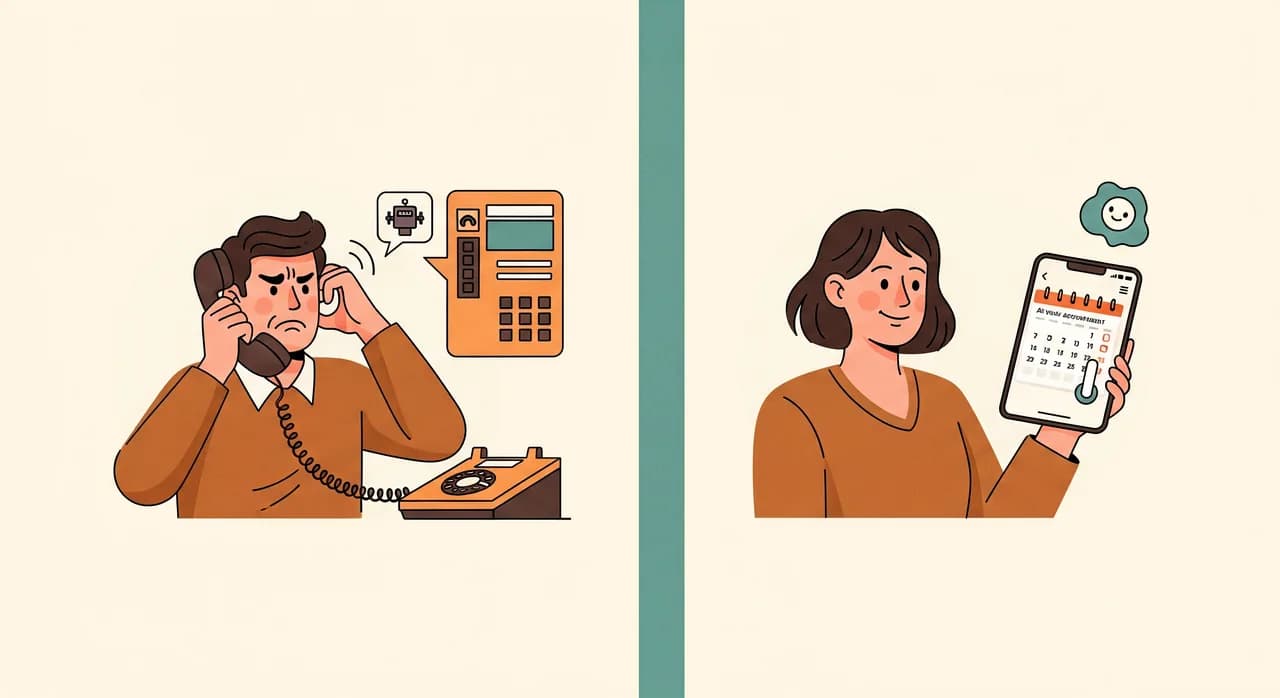
Der rote Faden durch all das: Der Anrufer bekommt sofort eine Antwort, und Sie bekommen einen sauberen Bericht über das Geschehene. Kein „jemand rief wegen irgendetwas an, glaube ich, so gegen Mittag“ mehr. Jedes Gespräch wird erfasst, zusammengefasst und wartet auf Sie — sodass selbst die Anrufe, die der Assistent an Sie weitergibt, mit Kontext ankommen statt als rätselhafte Nummer in Ihrer Liste verpasster Anrufe.
Ein realistisches Beispiel: die Zahnarztpraxis, die ihre Abende verlor
Um das weniger abstrakt zu machen, hier eine Zusammensetzung einer Situation, die wir ständig sehen — anonymisiert, mit bewusst illustrativen statt als harte Fakten präsentierten Zahlen. Stellen Sie sich eine kleine Zahnarztpraxis vor: zwei Zahnärzte, eine einzige Empfangskraft, ein Telefon, das den ganzen Tag klingelt. Die Empfangskraft ist großartig, aber ein Mensch. Sie checkt gerade einen Patienten ein, verarbeitet eine Zahlung oder ist um 17 Uhr schlicht im Feierabend. Das Telefon klingelt derweil weiter.
Die Ausgangslage
Als wir uns ihre Anruflisten ansahen, war das Bild vertraut: ein stetiger Strom verpasster Anrufe während der vollen Phasen am späten Vormittag und Nachmittag und eine zweite Welle am frühen Abend nach Geschäftsschluss — genau dann, wenn berufstätige Patienten endlich einen Moment fanden, eine Kontrolle zu buchen. Die meisten dieser Abendanrufer riefen nie zurück. Sie waren nicht verärgert; sie zogen einfach weiter. Die Praxis hatte keine Ahnung, wie viele Termine sie still verlor, weil ein verpasster Anruf keinen Nachweis hinterlässt.
Was wir eingerichtet haben
Wir setzten einen KI-Telefonassistenten vor die bestehende Leitung. Während der Öffnungszeiten nimmt er nur ab, wenn die Empfangskraft nicht kann — wenn sie schon im Gespräch oder bei einem Patienten ist — sodass sich am menschlichen Erstkontakt nichts ändert. Außerhalb der Zeiten übernimmt er alles. Er kann die Routinefragen beantworten (Zeiten, Adresse, ob eine bestimmte Versicherung akzeptiert wird), unkomplizierte Termine direkt in den Praxiskalender buchen und umbuchen, und für alles Klinische oder Heikle nimmt er klare Angaben auf und kennzeichnet es, damit das Team gleich am Morgen zurückruft.
- 1Zuerst die echten Anrufe angehörtBevor wir irgendetwas automatisierten, haben wir eine Woche tatsächlicher Aufnahmen durchgesehen, um die echten Top-Fragen und die genauen Worte der Patienten zu lernen — nicht das, was die Praxis annahm, dass gefragt wurde.
- 2Mit den sicheren, häufigen Anrufen begonnenWir ließen den Assistenten zunächst nur Buchungen, FAQ und Nachrichtenaufnahme übernehmen. Die heiklen klinischen Gespräche blieben von Tag eins an fest in menschlicher Hand.
- 3Parallel zum alten Aufbau betriebenIn den ersten Wochen beobachtete das Team jedes Transkript und korrigierte die Antworten des Assistenten, wo nötig, sodass er ohne jedes Risiko für Patienten merklich schärfer wurde.
- 4Zuletzt für die Zeiten außerhalb geöffnetErst als der Tagesüberlauf stabil lief, ließen wir ihn Abende und Wochenenden übernehmen — den Teil, der zuvor reiner Umsatzverlust war.
Das Ergebnis
Innerhalb des ersten Monats erfasste die Praxis zum ersten Mal die Abendanfragen, die früher verschwanden. Der Tag der Empfangskraft wurde merklich ruhiger, weil das Telefon nicht mehr jede Patienteninteraktion unterbrach. Und der Inhaber hatte endlich einen Nachweis — ein Protokoll jedes Anrufs, jeder Buchung, jeder Nachricht — statt eines vagen Gefühls, sie würden „wohl ein paar verpassen“. Die Schlagzeile, die ihm wichtig war, war nicht die Technik. Es war, dass zuvor unsichtbare Termine nun im Kalender auftauchten.
Wie Sie erkennen, ob es zu Ihrem Betrieb passt
Das ist nicht für jeden, und das sollten Sie gleich wissen. Ein KI-Telefonassistent verdient seinen Platz, wenn das Telefon ein echter Kanal für Ihren Betrieb ist und Sie nachweislich Anrufe verpassen. Wenn Sie drei Anrufe pro Woche entgegennehmen und alle beantworten, haben Sie kein Problem zu lösen. Seien Sie ehrlich, auf welcher Seite dieser Linie Sie stehen.
| Ihre Situation | Wahrscheinliche Passung | Warum |
|---|---|---|
| Telefon klingelt den ganzen Tag, kleines Team | Stark | Sie verpassen während der vollen Phasen Anrufe, ohne es zu merken. |
| Viele Anfragen außerhalb der Geschäftszeiten | Stark | Diese Nachfrage ist gerade reiner Umsatzverlust — der einfachste Gewinn. |
| Viele sich wiederholende Fragen | Stark | Der Assistent fängt sie ab, sodass Ihr Team nicht mehr unterbrochen wird. |
| Überwiegend komplexe, sensible Anrufe | Teilweise | Nutzen Sie ihn als Filter und Nachrichtenaufnahme, nicht als Frontkraft. |
| Sehr geringes Anrufvolumen | Schwach | Wenn Sie ohnehin fast alles beantworten, gibt es wenig zu gewinnen. |
Wenn Sie in einer der „starken“ Zeilen sind, ist der nächste Schritt nicht, etwas zu kaufen — es ist, zu messen. Verbringen Sie zehn Minuten mit Ihren Anruflisten und setzen Sie eine echte Zahl auf das, was Sie verpassen. Ist die Zahl klein, entspannen Sie sich: Sie brauchen das nicht. Sind es die Kosten einer Teilzeitkraft, haben Sie gerade den günstigsten Mitarbeiter gefunden, den Sie je einstellen werden.
Loslegen, ohne es zu zerdenken
Wenn Sie das anspricht, widerstehen Sie dem Drang, einen großen Rollout zu planen. Behandeln Sie es, wie Sie jede sinnvolle erste Automatisierung behandeln würden — klein, umkehrbar, gemessen. Sie müssen der KI nicht am ersten Tag Ihre ganze Telefonleitung übergeben. Der risikoärmste Start ist, sie nur die Anrufe auffangen zu lassen, die Sie ohnehin schon verpassen: den Überlauf, wenn Sie beschäftigt sind, und das Zeitfenster außerhalb der Geschäftszeiten, in dem derzeit ohnehin jeder Anruf verloren geht. Von dort weiten Sie ihren Aufgabenbereich aus, während Ihr Vertrauen wächst, genau wie die Praxis oben — hören Sie sich die Anrufe an, beobachten Sie die Transkripte, korrigieren Sie, was sie falsch macht. Die ehrliche Wahrheit ist, dass die Technik heute der einfache Teil ist. Die Arbeit, die zählt, ist, ihr Ihren Betrieb beizubringen und bei den Anrufen, die es verdienen, einen Menschen einzubinden. So gemacht, fühlt sich niemand ersetzt, und Ihre Kunden merken einfach, dass endlich immer jemand abnimmt.
Neugierig, was Ihnen wirklich entgeht?
Der erste Schritt kostet nichts und sagt Ihnen alles: Wir sehen uns gemeinsam Ihr Anrufmuster an und zeigen Ihnen in klaren Zahlen, was ein Telefonassistent auffangen würde — ohne jede Verpflichtung, etwas zu bauen.
So funktioniert ein KI-TelefonassistentHäufige Fragen
Merken Anrufer, dass sie mit einer KI sprechen?
Was passiert, wenn die KI eine Frage nicht beantworten kann?
Muss ich meine Telefonnummer oder meinen Anbieter wechseln?
Wird das nicht meine Empfangskraft ersetzen?
Wie schnell kann so etwas laufen?

Have a nice day ist ein Software-Studio, das kleine und mittlere Unternehmen digitalisiert — Automatisierung, KI und maßgeschneiderte Software, die im Alltag funktioniert, nicht nur auf Folien.