Softvér na mieru verzus krabicový: ako sa malé firmy reálne rozhodujú
Kúpiť hotový nástroj, alebo si dať postaviť vlastný? Úprimná odpoveď pre malú firmu je len zriedka všetko alebo nič. Tu je pokojný, praktický spôsob, ako sa rozhodnúť — bez preplácania ktorejkoľvek možnosti.
 Have a nice day14 min čítania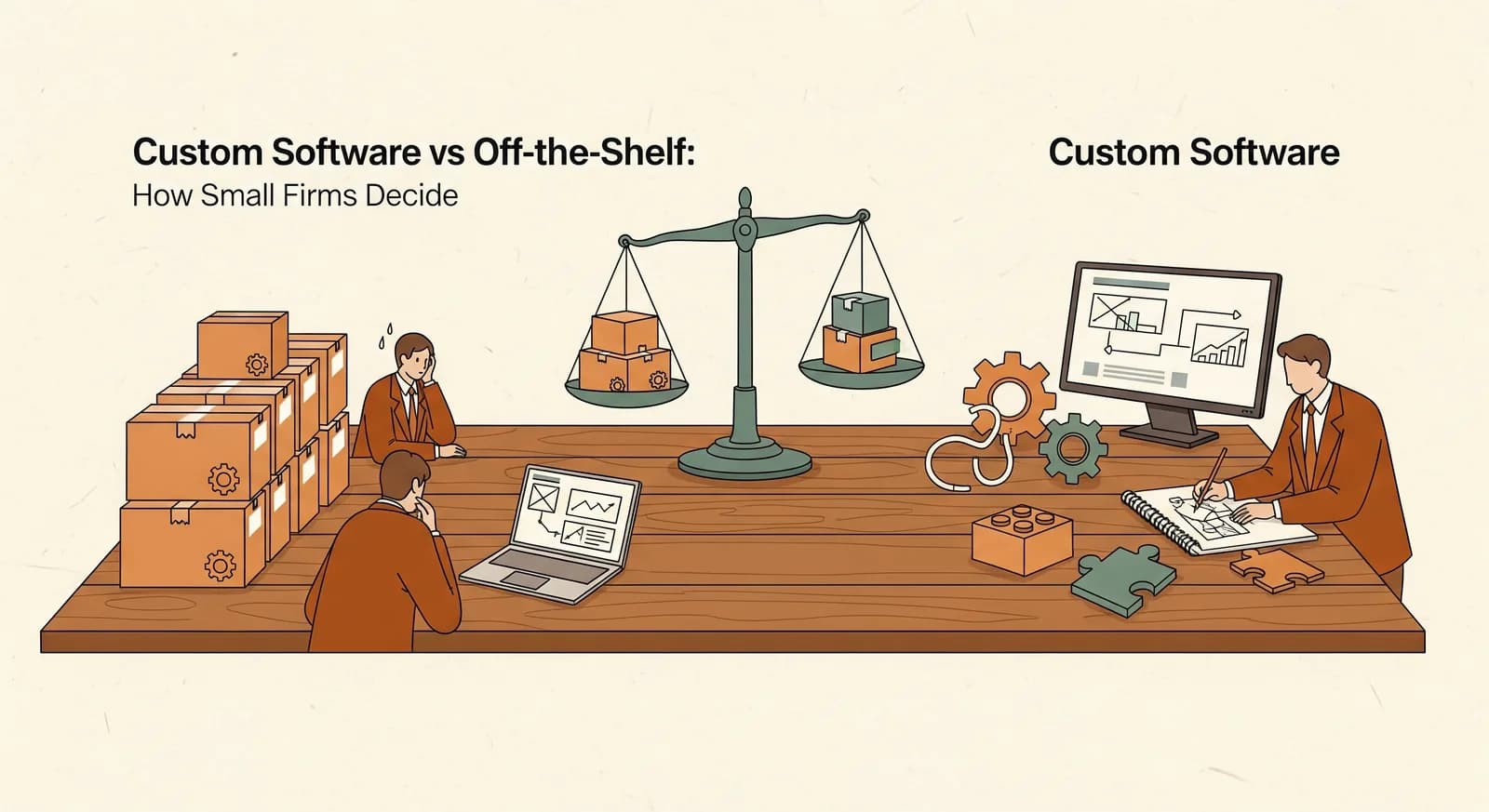
Skôr či neskôr každá rastúca malá firma dorazí na tú istú križovatku: ďalej zápasiť s krabicovým nástrojom, ktorý takmer sedí, alebo niekomu zaplatiť, aby postavil softvér, ktorý sadne presne. Podáva sa to ako čisté buď/alebo — kúpiť bezpečnú, lacnú, hotovú vec, alebo míňať na rizikový projekt na mieru. Toto orámovanie je nesprávne a stojí ľudí kopu peňazí. Skutočné rozhodnutie je tichšie, konkrétnejšie a oveľa ľahšie sa trafí správne, než by vás chceli presvedčiť predajné reči z oboch strán.
Videl som toto rozhodnutie padnúť na obe strany, veľakrát. Obchodníka, ktorý strávil dva roky a malé imanie stavaním skladového systému na mieru, ktorý by hotový produkt zvládol za cenu mesačného predplatného. A naopak: firmu poskytujúcu služby, ktorá platila za jedenásť rôznych SaaS nástrojov, plus človeka, ktorého skutočnou prácou sa stalo prepisovanie údajov medzi nimi, hoci jedna skromná aplikácia na mieru by ich všetky nahradila a do roka sa zaplatila. Obom sa dalo vyhnúť. Oboje vzniklo z odpovedania na nesprávnu otázku.
Tak odpovedzme na tú správnu. Toto nie je predajný argument za softvér na mieru, hoci stavanie softvéru je súčasťou toho, čo robíme. Je to rozhodovací rámec, ktorý by som chcel, aby použil priateľ, čo vedie firmu — vrátane všetkých tých prípadov, keď je úprimným odporúčaním nestavajte nič.
Čo každá možnosť naozaj znamená (mimo brožúry)
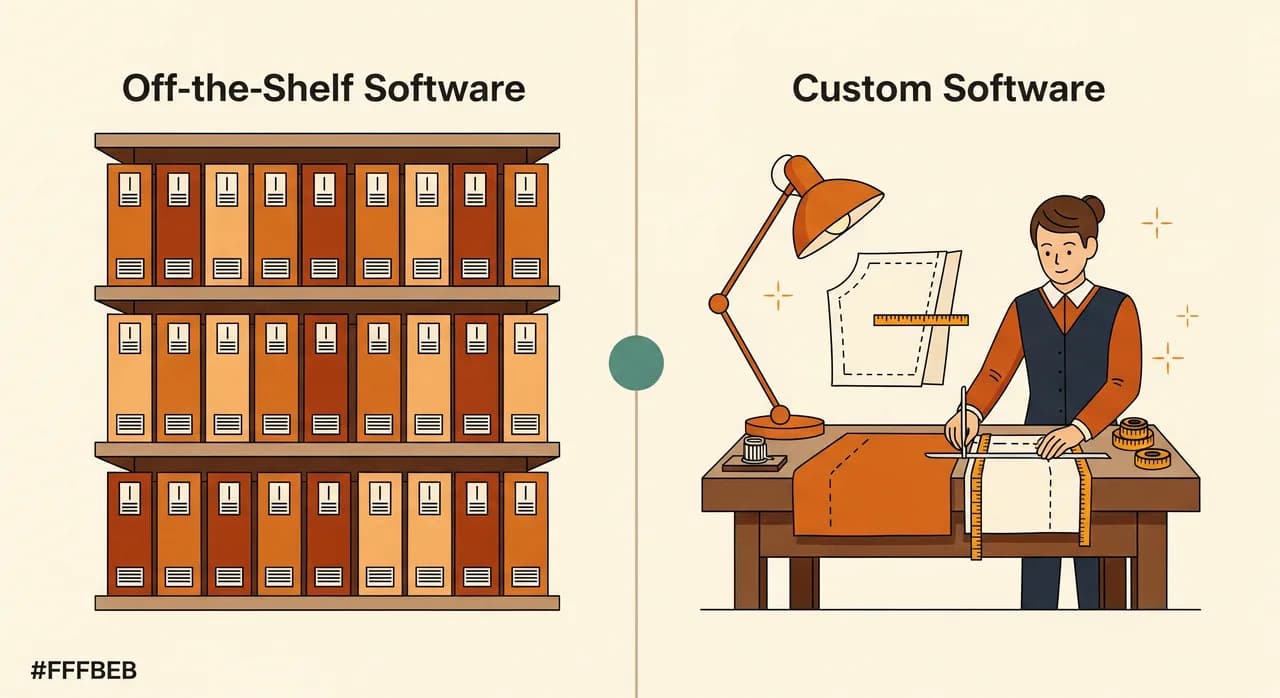
Krabicový softvér je čokoľvek, čo si kúpite hotové a nakonfigurujete: váš účtovný balík, rezervačný nástroj, vaše CRM, projektový nástroj, v ktorom váš tím žije. Niekto to raz postavil a ten istý produkt predáva tisíckam firiem. Vy si ho prenajmete, prispôsobíte mu svoj proces a na oplátku dostanete niečo zrelé, podporované a lacné na používateľa od prvého dňa.
Softvér na mieru sa stavia okolo vášho procesu, nie naopak. Môže to byť plnohodnotný systém na mieru, no pre malú firmu je to oveľa častejšie niečo skromné — malá interná aplikácia, zákaznícky portál, nástroj, ktorý zošíva dva systémy a odstraňuje každodennú ručnú prácu. Určujúcou črtou nie je veľkosť ani cena. Je to to, že robí presne to, čo potrebujete, a nič, čo nepotrebujete, pretože bol vytvarovaný konkrétne pre vašu firmu.
Tu je časť, ktorú brožúry preskakujú: toto nie sú nepriatelia a voľba sa takmer nikdy netýka celej firmy naraz. Šikovný vzorec pre väčšinu malých firiem je chrbtica z krabicových nástrojov na univerzálne veci — účtovníctvo, e-mail, platby — s malým množstvom softvéru na mieru presne tam, kde vaša firma robí niečo, čo trh neponúka, alebo kde nástroje odmietajú spolu komunikovať. Dobre sa rozhodovať znamená rozhodovať sa proces po procese, nie v jednom dramatickom hlasovaní.
Úprimný argument za krabicový softvér
Pre drvivú väčšinu toho, čo malá firma robí, je krabicový softvér správna odpoveď, a to s veľkým náskokom. Práca je naozaj rovnaká ako u všetkých ostatných. Vaše faktúry nie sú nič výnimočné. Vaše mzdy sa riadia tými istými pravidlami ako vo firme od vedľa. Keď tisíce firiem potrebujú identickú vec, produkt postavený pre nich všetkých bude lacnejší, spoľahlivejší a lepšie podporovaný než čokoľvek, čo by ste si mohli objednať — pretože náklady na stavbu sa rozložili medzi všetkých tých zákazníkov, a nie ste ich niesli vy sami.
Dostanete aj veci, ktoré sa ľahko podceňujú, kým ich nemáte: niekto iný opravuje chyby, niekto iný udržiava bezpečnosť, niekto iný pridáva funkcie, kým spíte. Ak človek odíde, ďalší zamestnanec už pravdepodobne pozná populárne nástroje. A môžete začať zajtra — žiadny projekt, žiadne čakanie, žiadne riziko, že vec nikdy nevyjde. Pri štandardnom procese je platiť za jeho opätovné postavenie ako objednať si kanvicu na mieru. Vodu nezovrie o nič lepšie a vy budete jediný človek na svete, ktorý ju vie opraviť.
“Ak vaši konkurenti riešia problém tým istým nudným nástrojom, býva to znamenie, že by ste mali aj vy. Peniaze na softvér na mieru si nechajte tam, kde ste naozaj iní.”
Kde krabicový softvér potichu prestáva sadnúť
A predsa. Je dôvod, prečo sa táto otázka stále vracia, a tým je, že krabicový softvér má strop, ktorý si nevšimnete, kým doň nenarazíte. Začiatky sú nádherné — nástroj robí 90 % toho, čo potrebujete, a chýbajúcich 10 % pôsobí triviálne. Potom vaša firma dorastie do vlastného tvaru a tých 10 % sa zmení na miesto, kam odchádza všetok váš čas.
Porucha málokedy vyzerá ako jediná katastrofa. Vyzerá ako tisíc malých obchádzok. Tabuľka, ktorá žije popri oficiálnom systéme, lebo oficiálny systém nezvládne jednu vec, ktorú potrebujete. Človek, ktorý každé ráno exportuje report z nástroja A a ručne ho vkladá do nástroja B. Konvencia farebného značenia, ktorú si všetci zapamätali, lebo vám softvér nedovolí pridať pole, na ktorom vám naozaj záleží. Žiadna z týchto vecí nie je kríza. Spolu sú to zvuky softvéru, ktorý ste prerástli.
Je tu aj jemnejšia pasca. Niekedy nástroj sedí vašej firme, ale cenový model nie. Cena za používateľa je rozkošná pri piatich ľuďoch a brutálna pri päťdesiatich. Transakčný poplatok neviditeľný pri malom objeme sa pri veľkom objeme stáva daňou z rastu. Keď účet rastie rýchlejšie ako hodnota, krabicový softvér sa môže stať drahou možnosťou — hoci každé jednotlivé predplatné vyzerá lacno.
Skutočná otázka nákladov (nie je to cena na štítku)
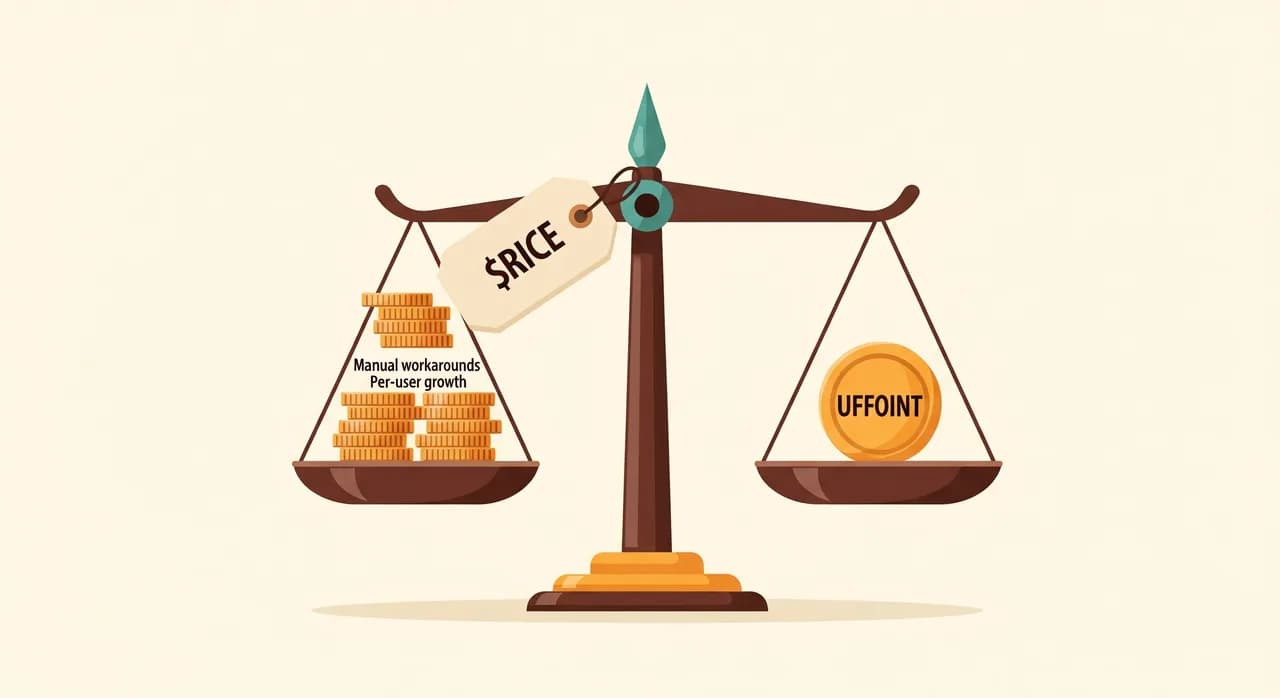
Väčšina ľudí porovnáva tieto možnosti podľa nesprávneho čísla. Pozrú sa na mesačné predplatné oproti cenovej ponuke za stavbu na mieru, vidia, že jedno je malé a druhé veľké, a prestanú rozmýšľať. Lenže predplatné nie je skutočný náklad krabicového softvéru a cenová ponuka za stavbu nie je skutočný náklad softvéru na mieru. Aby ste sa rozhodli úprimne, musíte zrátať celkové náklady za tri roky — vrátane hodín, ktoré váš tím stráca na nástroji, čo celkom nesadne.
Na strane krabicového softvéru zrátajte predplatné (všetky, vrátane prekrývajúcich sa), krát počet používateľov, krát rast, plus mzdové náklady na ručné obchádzky, ktoré nástroje vynucujú. Táto posledná položka je na každej faktúre neviditeľná a často je najväčším číslom. Na strane softvéru na mieru rátajte nielen stavbu, ale aj priebežnú realitu: hosting, údržbu, občasnú zmenu, ako sa vaša firma posúva. Softvér na mieru nie je jednorazový nákup; je to niečo, čo vlastníte, a vlastnenie vecí má prevádzkové náklady.
| Položka nákladu | Krabicový | Na mieru |
|---|---|---|
| Počiatočné | Nízke (zaregistruješ sa a ideš) | Vyššie (samotná stavba) |
| Mesačné / na používateľa | Rastie s počtom ľudí | Väčšinou fixné (hosting) |
| Údržba a bezpečnosť | Zahrnuté v cene | Vlastníte to (zarátajte to) |
| Náklad obchádzok | Často veľký, vždy skrytý | Z definície odstránený |
| Náklad nesadnutia | Rastie, ako rastiete | Nízky — sadne zámerne |
Keď to zrátate úprimne, obraz sa často prevráti oproti prvotnej pocitovej reakcii. Nástroj na mieru s reálnou počiatočnou cenou môže byť za tri roky lacnejší než kopa predplatných plus pol platu ručného presúvania. A rovnako často to ide opačne — obchádzky sú otravné, ale lacné, a stavba by svoj náklad nikdy nevrátila. Pointa nie je, že jedna možnosť vždy vyhráva. Pointa je, že to nemôžete vedieť bez zrátania skrytých položiek, a takmer nikto to nerobí.
Rozhodovací rámec, ktorý zvládnete sami
Na prvý, rozumný odhad v tomto nepotrebujete poradcu. Potrebujete štyri úprimné otázky kladené vždy na jeden proces — nie o celej firme, ale o tej konkrétnej veci, ktorá vás práve teraz štve.
- 1Je tento proces štandardný, alebo špecifický pre vás?Ak ho tisíce firiem robia rovnako (fakturácia, mzdy, e-mail), výrazne sa prikláňajte ku krabicovému softvéru. Ak je to spôsob, akým konkurujete alebo jedinečne fungujete, softvér na mieru začína dávať zmysel.
- 2Pokrýva ho už nejaký produkt na 90 %?Ak áno, prijmite ho a prispôsobte svoj proces — posledných 10 % sa málokedy oplatí obstavať. Ak nič nepokrýva ani jadro, je to skutočné znamenie pre softvér na mieru, nie problém konfigurácie.
- 3Čo vás nesadnutie naozaj stojí?Priraďte číslo k týždenným hodinám strateným na obchádzkach, krát rok. Ak je malé, žite s tým. Ak je to zmysluplný kus niečej mzdy, stavba sa môže zaplatiť.
- 4Zostane tento proces stabilný pár rokov?Softvér na mieru odmeňuje stabilné, dobre pochopené procesy. Ak sa spôsob, akým tu pracujete, ešte mení každý kvartál, je priskoro vytvrdiť ho do kódu — nechajte ho pružný a vráťte sa k tomu neskôr.
Prejdite tieto štyri otázky a väčšina procesov sa rýchlo sama roztriedi. Zaujímavé prípady sú tie v strede a zvyčajne majú rovnaké riešenie: nie plný systém na mieru, ale malý, cielený kúsok softvéru na mieru sediaci nad vašimi existujúcimi nástrojmi — portál, konektor, jedna aplikácia, ktorá odstráni jednu bolestivú prácu. Táto stredná cesta je miesto, kde malé firmy získajú to najlepšie z oboch, a je to možnosť, ktorú vám orámovanie všetko-alebo-nič skrýva.
Stredná cesta, ktorú takmer všetci prehliadnu
Keď si ľudia predstavia softvér na mieru, predstavia si obrovský systém na mieru, ktorý nahrádza všetko — desivý, rok trvajúci projekt s desivou cenou. Táto verzia existuje a pre väčšinu malých firiem je tá nesprávna. Verzia, ktorá naozaj vyhráva, je malá a chirurgicky presná: ponechajte si všetky dobré krabicové nástroje a postavte len tenkú vrstvu na mieru, vďaka ktorej fungujú tak, ako pracujete vy.
- Konektor, ktorý nové objednávky posiela rovno do vašej fakturácie a CRM, aby už nikto nikdy neprepisoval adresu.
- Jednoduchý zákaznícky portál nad vašimi existujúcimi systémami, aby sa klienti obslúžili sami namiesto e-mailov.
- Interná aplikácia na jednu obrazovku, ktorá nahradí tieňovú tabuľku, na ktorú sa všetci potajme spoliehajú.
- Malý prehľad, ktorý každé pondelňajšie ráno automaticky zlúči tri reporty do jedného.
- Most z terénu do kancelárie, aby sa detaily práce z terénu vrátili bez druhého kola zadávania údajov.
Každá z týchto vecí je skromná. Žiadna nenahrádza váš účtovný balík ani e-mail. Každá odstraňuje jeden konkrétny, opakovaný zdroj trenia — a keďže je postavená pre váš proces, niet obchádzok, lebo obchádzkou je samotný produkt. Tu sa, mimochodom, teraz hodí aj umelá inteligencia: nie ako dôvod prestavať všetko, ale ako šikovný komponent, ktorý vsadíte do tej tenkej vrstvy na mieru, keď úloha zahŕňa neusporiadaný ľudský jazyk alebo úsudok. Architektúra je rovnaká; vrstva len získala viac schopností.
Príklad z praxe: firma s jedenástimi nástrojmi
Dovoľte mi to spraviť hmatateľným na zloženom prípade — anonymizovanom a dosť typickom na to, aby ste v ňom spoznali kúsky vlastnej firmy. Stredne veľká firma poskytujúca služby, asi tridsať ľudí, prišla k nám presvedčená, že potrebuje veľkú platformu na mieru, aby „konečne všetko opravila“. Iná dielňa im dala závratnú cenovú ponuku na plný systém na mieru a oni chceli pred podpisom druhý názor.
Situácia
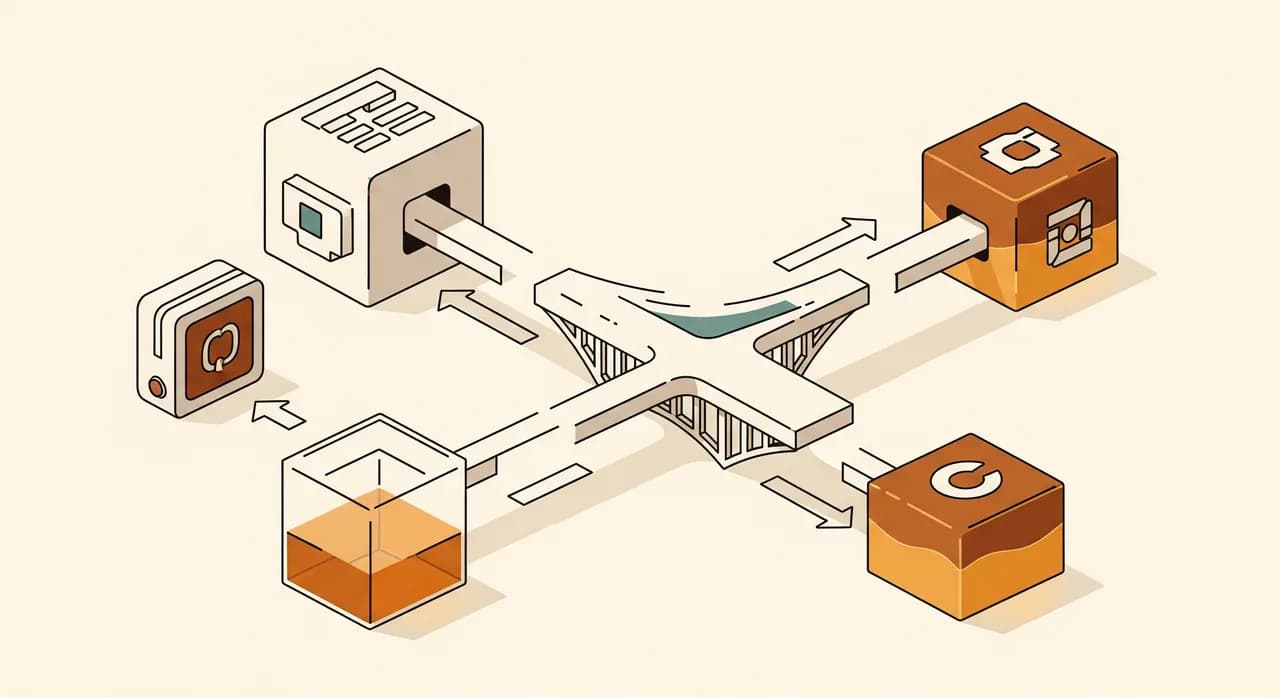
Začali sme tam, kde začíname vždy: nie pri softvéri, ale pri ich týždni. Prevádzkovali jedenásť samostatných nástrojov. Niekoľko sa prekrývalo — dva z nich, úprimne, robili takmer rovnakú prácu. Skutočná bolesť nebola v žiadnom jednotlivom nástroji; každý produkt sám osebe bol v poriadku. Bolesťou boli medzery medzi nimi. Nový klient znamenal tie isté údaje ručne naťukané do štyroch systémov. Práca jedného človeka sa potichu stala „presúvaním údajov“, niekoľko hodín denne, každý deň. Tieňové tabuľky mali svoje tieňové tabuľky.
Čo sme spravili
Plná platforma na mieru, ktorú im naceňovali, by bezdôvodne nahradila úplne dobré nástroje a stála majetok. Tak sme ju odhovorili — nahlas, na prvom stretnutí, ešte pred akoukoľvek zmluvou. Namiesto toho sme najprv spravili tú lacnú, neoslnivú prácu: rovno sme zrušili dve nadbytočné predplatné. Potom sme postavili jeden malý konektor na mieru — tú tenkú vrstvu — ktorý zobral nového klienta zadaného raz a tie údaje automaticky posunul do systémov, ktoré ich potrebovali. Žiadna veľká platforma. Žiadne vytrhni-a-nahraď. Chirurgicky presný kúsok softvéru na mieru sediaci nad nástrojmi, ktoré si ponechali.
Výsledok
Práca „presúvania údajov“ z veľkej časti zmizla — tie hodiny sa vrátili do skutočnej práce s klientmi. Stavba stála zlomok ponuky za platformu na mieru a medzi ušetrenými predplatnými a získaným časom sa pohodlne zaplatila do prvého roka. (Berte tie čísla ako ilustratívne, nie ako sľub — každá firma je iná.) Ponaučenie neznelo „softvér na mieru vyhral“. Bolo to, že správnou odpoveďou bol malý kúsok na mieru presne na jednom mieste, sediaci v mori krabicových nástrojov, ktoré si právom ponechali. Drahou chybou by bolo brať to ako všetko alebo nič.
Skôr než sa zaviažete čokoľvek stavať
Ak vaše úprimné odpovede mieria k softvéru na mieru, dobre — ale na jeden okamih spomaľte, lebo práve tu sa míňajú peniaze aj vtedy, keď je rozhodnutie správne. Zlyhania softvéru na mieru sú málokedy o kóde. Sú o rozsahu, vlastníctve a o tom, že začnete priveľko, rovnako ako krabicové projekty potichu vyhasnú, keď ich nikto nevlastní.
Začnite najmenšou verziou, ktorá prinesie skutočný výsledok, nie celou víziou. Vyberte jeden bolestivý proces, postavte tenkú vrstvu, ktorá ho vyrieši, spustite ju a nech víťazstvo zafinancuje ďalší kúsok. Uistite sa, že vlastníte, čo sa postavilo — kód, údaje, jasné odovzdanie — aby ste nikdy neuviazli pri jednom dodávateľovi tak, ako ste uviazli pri nástroji, ktorý ste prerástli. A trvajte na tom, aby vás ten, kto to stavia, odhovoril od častí, ktoré nepotrebujete. Dobrý partner váš projekt zmenší. Iba zlý ho nafúkne.
Nie ste si istí, či stavať alebo kúpiť?
Skôr než čokoľvek podpíšete, oplatí sa jeden úprimný rozhovor o tom, čo sa naozaj oplatí postaviť — a čo by ste mali ponechať krabicové. Zmapujeme vaše nástroje a váš týždeň a ukážeme ten jeden kúsok (ak vôbec), ktorý sa oplatí spraviť na mieru.
Pozrite, ako pristupujeme k softvéru na mieruČasté otázky
Je softvér na mieru vždy drahší než krabicový?
Môžem kombinovať krabicový softvér a softvér na mieru?
Ako spoznám, že som prerástol svoj súčasný softvér?
Aké je riziko, že sa stavba na mieru nikdy nedokončí?
Mám čakať, kým umelá inteligencia odstráni potrebu softvéru na mieru?

Have a nice day je softvérové štúdio, ktoré pomáha malým a stredným firmám s digitalizáciou — automatizácia, umelá inteligencia a softvér na mieru, ktorý funguje v každodennej prevádzke, nielen na slajdoch.